

Keeping Kids Active This Winter: 5 Simple Indoor Ideas
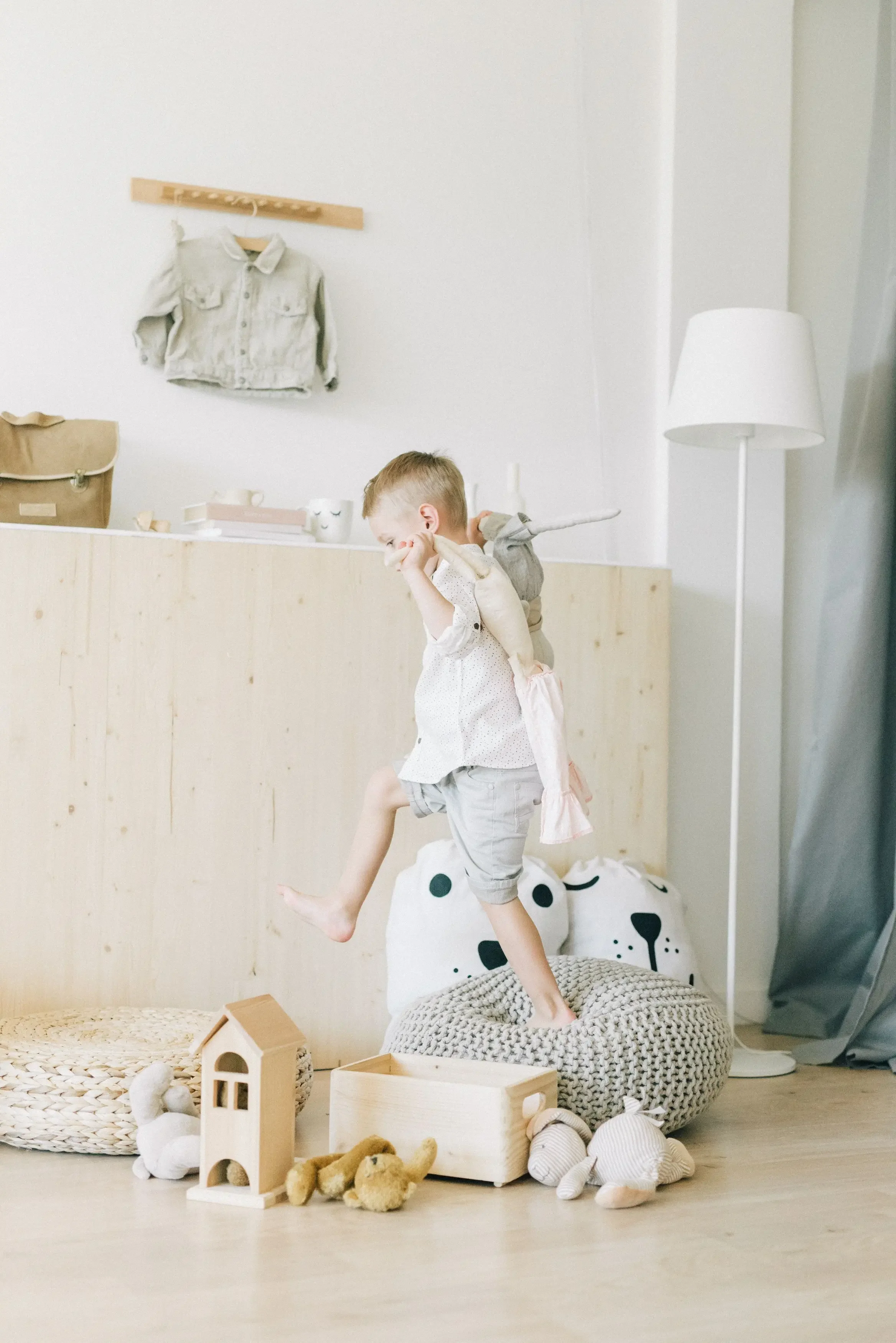
The footy is on the telly, the heater is humming, and your child has been curled up on the couch for the better part of an hour. Sound familiar? When the weather turns grey and the mornings get dark, keeping kids active this winter can feel like a daily battle. Shorter days, colder air and the pull of the screen all make it easier for children to stay still. For kids with physical, developmental or disability-related needs, a quieter winter can also mean lost momentum on the skills they've worked hard to build. The good news is that staying active doesn't need a big backyard or a sunny day. With a few simple ideas, your living room can become the best place in the house to move.
Why winter makes it harder to keep kids moving
When it's cold and wet outside, the usual chances to run around tend to disappear. Park visits get rained off, daylight runs out before dinner, and indoor screen time creeps up. Many parents notice their child becomes more restless, sleeps less soundly, or seems a bit flatter in mood when their activity drops away.
Movement is how young children burn energy, settle their emotions and practise the physical skills that support everyday tasks like dressing, climbing stairs and joining in at kinder or school. A few quiet weeks won't undo your child's progress. A whole season of sitting still, though, can make it harder to get going again once spring arrives. Understanding why winter slows kids down is the first step to gently working around it.
How much physical activity does your child actually need?
This is one of the questions parents ask us most. The Australian physical activity guidelines suggest that children and young people aged five to seventeen aim for at least sixty minutes of moderate to vigorous activity each day, while younger children benefit from being active in shorter bursts throughout the day!
That can sound like a lot in the middle of winter, but it doesn't have to happen all at once. Ten minutes of dancing in the morning, a few minutes of crawling races after lunch, and a stair climb on the way to the bath all add up over a day.
Every child is different, and children with disability or medical needs may have different recommendations, so it's worth checking what is realistic and safe for your child with their physiotherapist!
5 simple indoor activities to keep kids moving this winter
You don't need fancy equipment to get your child active indoors. Try these easy ideas, which work across a range of ages and abilities:
Indoor obstacle course. Use cushions, dining chairs and a blanket tunnel to crawl under, step over and balance along. Change the layout each time to keep it interesting.
Balloon keepie-uppie. Tapping a balloon to keep it off the floor builds hand-eye coordination and gets kids reaching, stretching and jumping.
Animal walks. Bear crawls, frog jumps and crab walks down the hallway build strength through the arms, legs and tummy.
Dance party. Put on a few favourite songs and move together. Adding a "freeze" when the music stops brings in balance and listening practice too.
Treasure hunt. Hide a small toy and call out "warmer" or "colder" as your child moves around to find it. Add stairs or crawling for a little extra effort.
Rotate a couple of these each day so the novelty doesn't wear off, and join in when you can. Kids move more when a grown-up is having a go alongside them.
Adapting winter play for children with disability or developmental needs
Active play looks different for every child, and that's completely okay!
If your child uses a walker or wheelchair, or has limited mobility, many of these games can be adjusted. Seated dancing, reaching games, and rolling or throwing a soft ball all count as movement.
For a child who finds new activities overwhelming, keep each session short and predictable, and let them lead the pace. Children working towards specific goals in their NDIS plan can often practise those same skills through play at home, which helps the progress made in therapy carry over into everyday life.
If you're not sure how to adapt an activity safely, your child's physiotherapist can show you small changes that suit their abilities.
Our team also runs group sessions where children build movement skills together in a supportive, social setting!
When keeping your child active feels like a struggle
Some children find movement harder than others, and winter can make those difficulties more noticeable!
If your child tires very quickly, avoids physical play, seems unsteady on their feet, or isn't meeting the movement milestones you'd expect for their age, it may be worth a chat with a paediatric physiotherapist. Early support can make a real difference, and you don't need to wait until a problem feels big to ask for help!
A physiotherapist can assess how your child is moving and suggest activities tailored to them, whether that's at home, in the clinic, or in the water. Reaching out early is one of the kindest things you can do for your child's development.
Ready to take the next step for your child?
in Clayton South or Heidelberg today!
paediatric physiotherapy Melbourne │ NDIS physiotherapy children │ keeping kids active this winter │ indoor activities for kids winter │ winter activities children disability │ gross motor play at home │ active kids Melbourne │ First Step Therapy Services │ Clayton South physio │ Heidelberg physio │ children's therapy Melbourne │ NDIS early intervention
#ThrivingKids #paediatricphysiotherapy #kidsphysio #melbournephysio #melbournekids #NDISkids #NDISaustralia #earlyintervention #childdevelopment #grossmotorskills #activekids #indooractivities #winteractivities #inclusiveplay #developmentaldelay #playbasedtherapy #claytonsouth #heidelbergvic #familieswithkids #physioforkids