Aquatic Physiotherapy for Children
Eastern, Northern & South-Eastern Melbourne | NDIS Registered | No Referral Required
Water changes things. For many children — particularly those with physical disabilities, complex needs, or sensory sensitivities — movement in a warm therapy pool can open up possibilities that are simply harder to access on land!
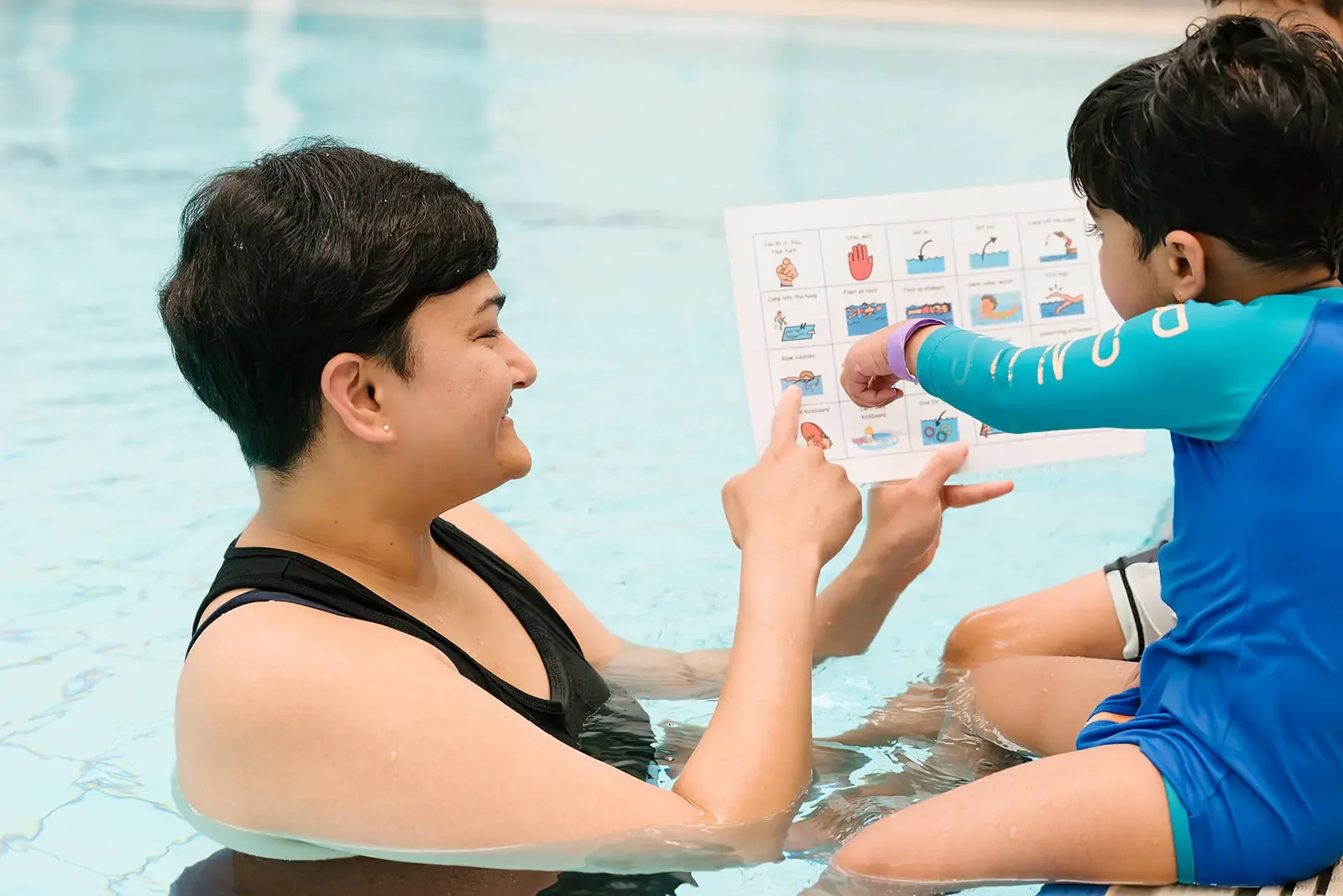
Aquatic physiotherapy at First Step Therapy Services is NOT swimming lessons. It is purposeful, physiotherapy-led therapy in water, designed around your child's individual goals, movement needs, and what participation looks like for your family.
Sessions are delivered by our physiotherapists and allied health assistants working under their direction, across facilities in Melbourne's eastern, northern, and south-eastern suburbs — chosen to suit where your family is located.
No referral is needed. Families can contact us directly to discuss whether aquatic physiotherapy may be a good fit for their child.
What Is Aquatic Physiotherapy?
Aquatic physiotherapy — sometimes called hydrotherapy — uses the properties of warm water to support movement, exercise, and rehabilitation in ways that are often not possible in a land-based setting.
Warm water reduces the load through joints and muscles, provides natural resistance to movement, and gives children a sense of buoyancy and freedom that can be genuinely transformative — particularly for children who find land-based movement difficult, tiring, or uncomfortable.
Sessions at FSTS are always individually designed. There is no standard program. Every session is built around what your child needs on that day, guided by their physiotherapy goals and adapted in real time by the therapist.
Why Water Works
The therapeutic properties of a warm pool make it uniquely suited to paediatric physiotherapy:
Buoyancy
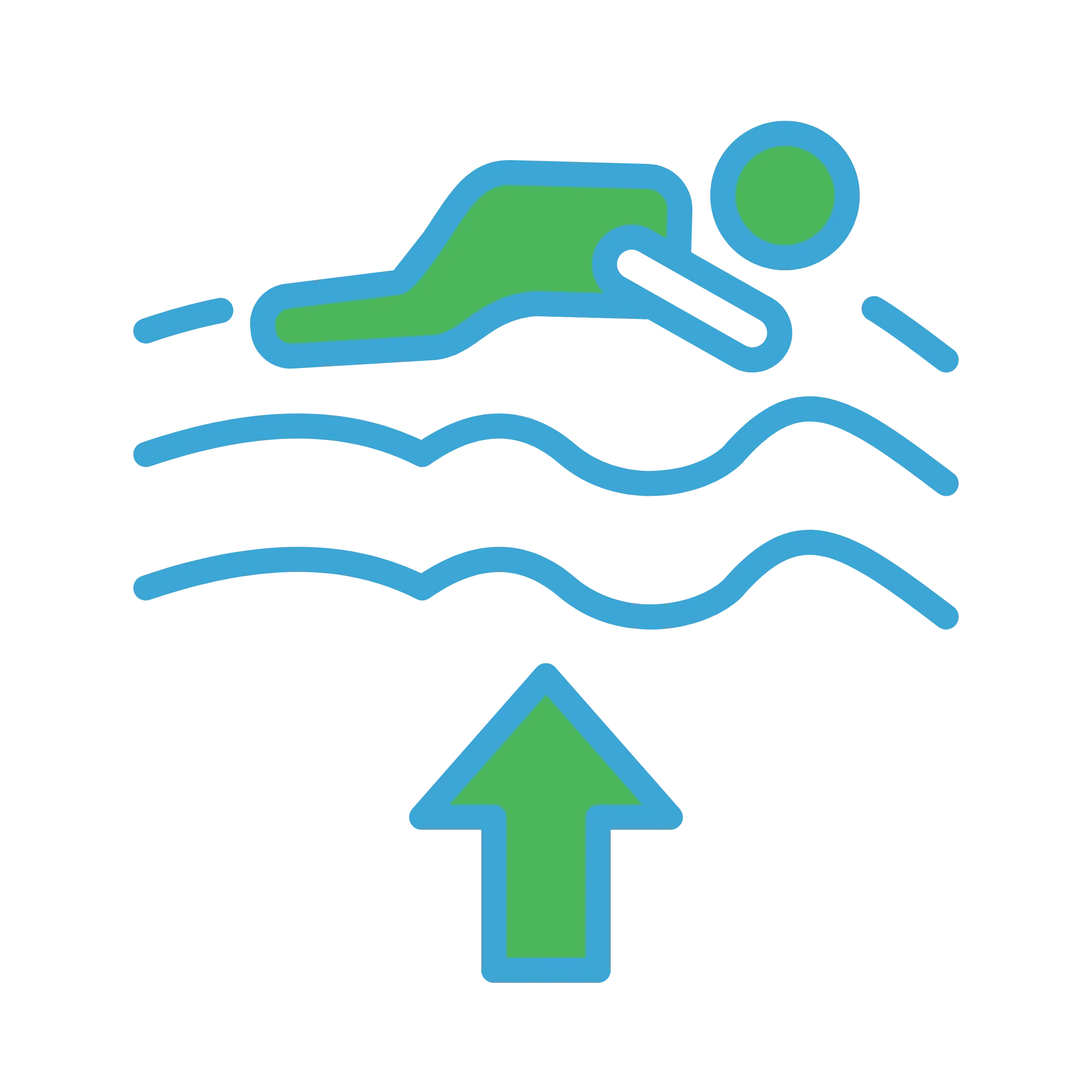
Water supports the body, reducing the effect of gravity and allowing children to move more freely and with greater range than they might manage on land. For children with high muscle tone, weakness, or pain, this can be the difference between being able to move and not.
Resistance
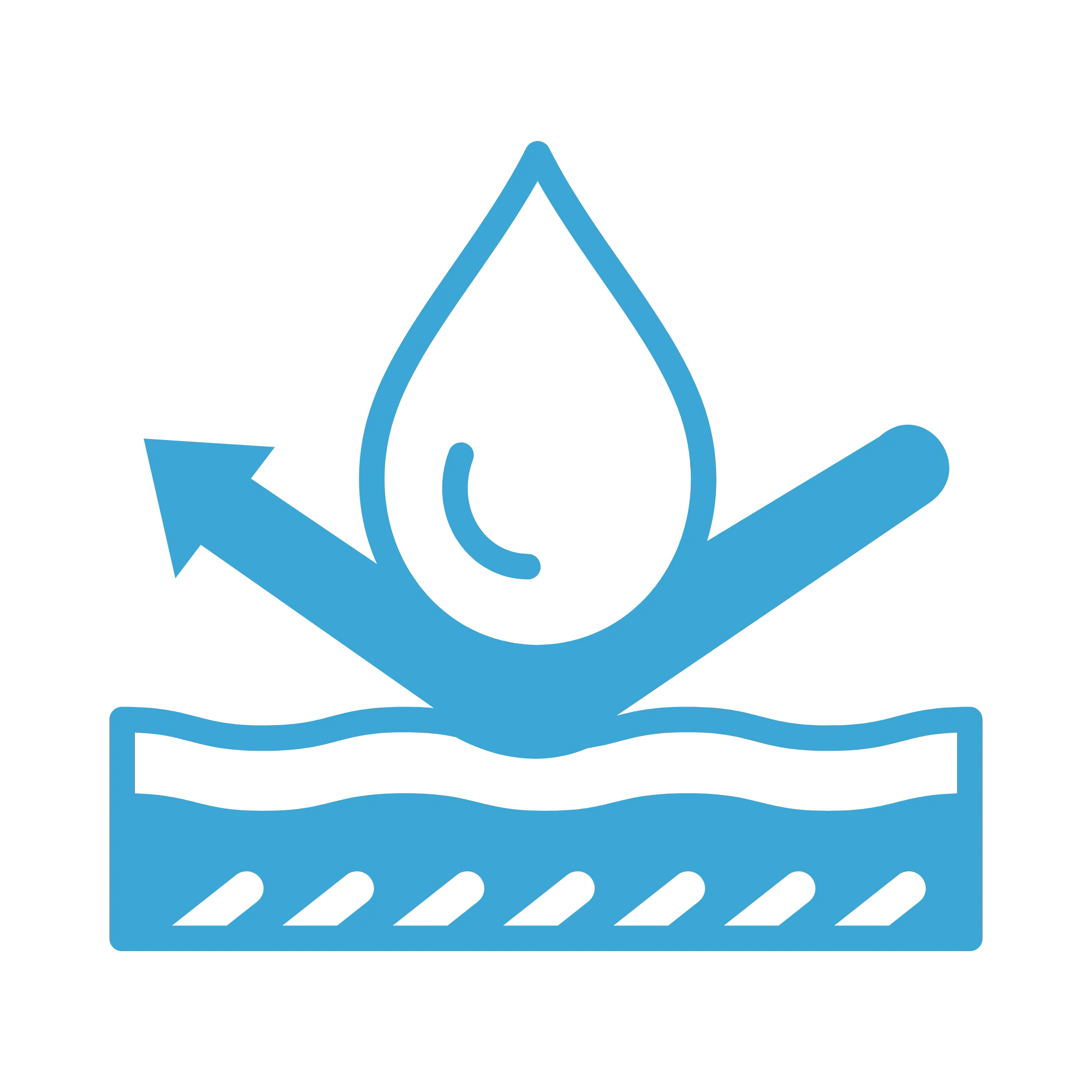
Water provides gentle, consistent resistance in all directions of movement — building strength without the impact load of land-based exercise.

Warmth
Heated pools — typically between 33°C and 36°C — help relax muscle tone, reduce discomfort, and make movement more accessible. For children with spasticity or chronic pain, warmth is often therapeutically significant in itself.
Hydrostatic pressure
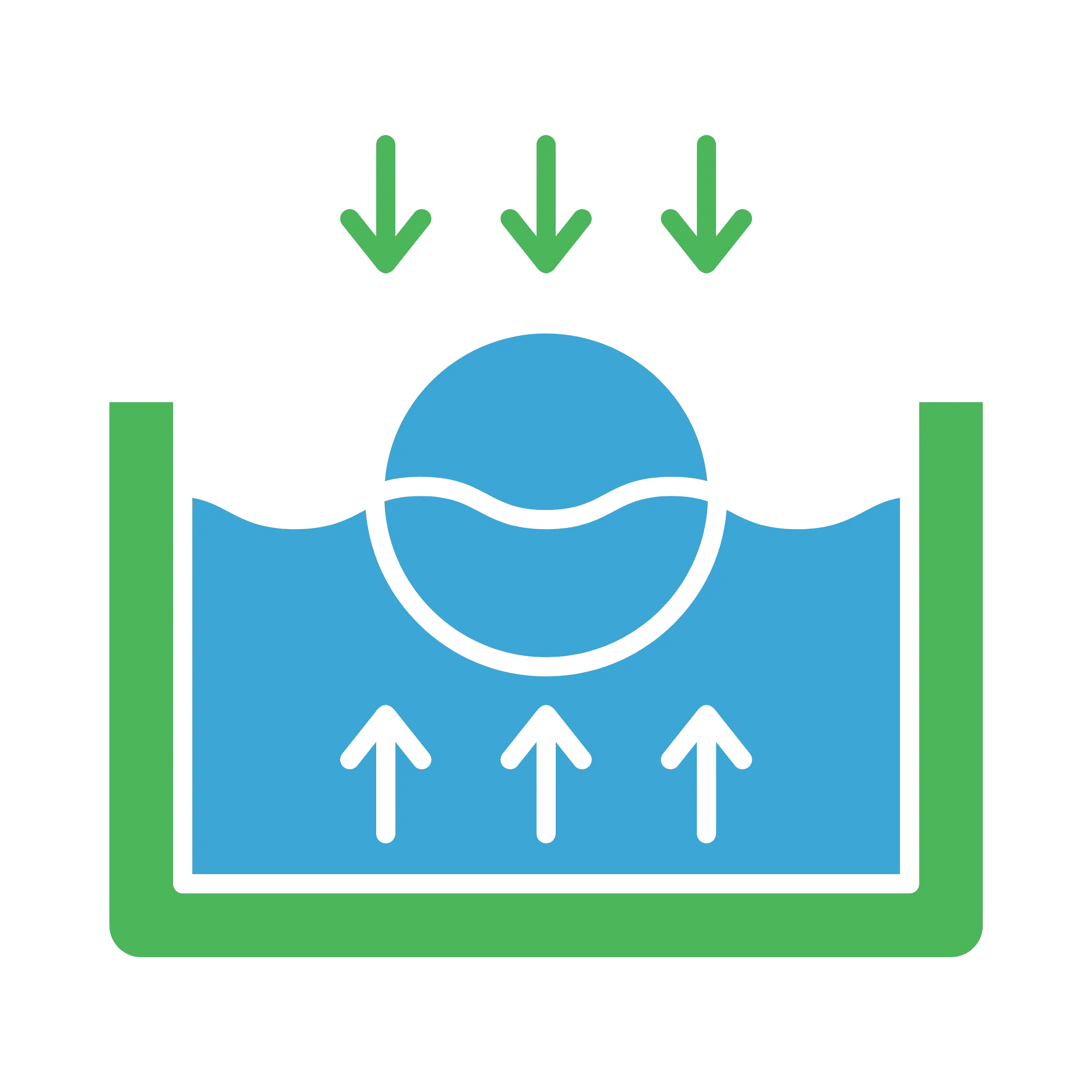
The gentle pressure of water on the body can support circulation, reduce swelling, and contribute to body awareness — which is particularly beneficial for children with sensory processing differences.

Engagement
For many children, the pool is simply more enjoyable than a clinic. That enjoyment is clinically relevant — children who are engaged participate more actively, and active participation drives better outcomes.
Who May Benefit from Aquatic Physiotherapy?
Aquatic physiotherapy at FSTS may be appropriate for children across a wide range of presentations. We see children of all ages — from infants through to adolescents.

-
Warm water can help reduce spasticity and support active movement for children with CP. Aquatic physiotherapy may assist with range of motion, strength, coordination, and functional movement goals — and is often experienced as more accessible and enjoyable than land-based sessions.

-
Water provides resistance-based strengthening with reduced joint load — making it well suited to children with hypermobility, Ehlers-Danlos syndrome, or generalised joint laxity.

-
For some children with sensory sensitivities, the consistent, enveloping sensory input of warm water is regulating and calming. Aquatic physiotherapy may support body awareness, coordination, and tolerance of movement in a way that land-based therapy cannot always replicate.

-
Balance, coordination, and motor planning challenges can be addressed in water with reduced fear of falling and a more forgiving movement environment.
-
Buoyancy reduces the demand of working against gravity, allowing children with low tone to practise movement patterns that may still be developing in land-based settings.

-
Warm water and buoyancy may reduce pain and fatigue during movement, making aquatic physiotherapy appropriate for children managing complex pain presentations.

-
Following orthopaedic surgery or injury, aquatic physiotherapy may allow earlier return to movement — with water providing support and reducing load through healing tissues.

-
Water-based movement may support children with neuromuscular presentations to work on strength, mobility, and functional goals with reduced physical demand.

-
Aquatic physiotherapy may support strength, coordination, balance, and participation for children with Down syndrome — with the added benefit of a fun, motivating environment.

-
Some children simply do better in water — more engaged, more willing, more able. If your child struggles with land-based therapy but loves the water, it is worth exploring.
What to Expect in a Session
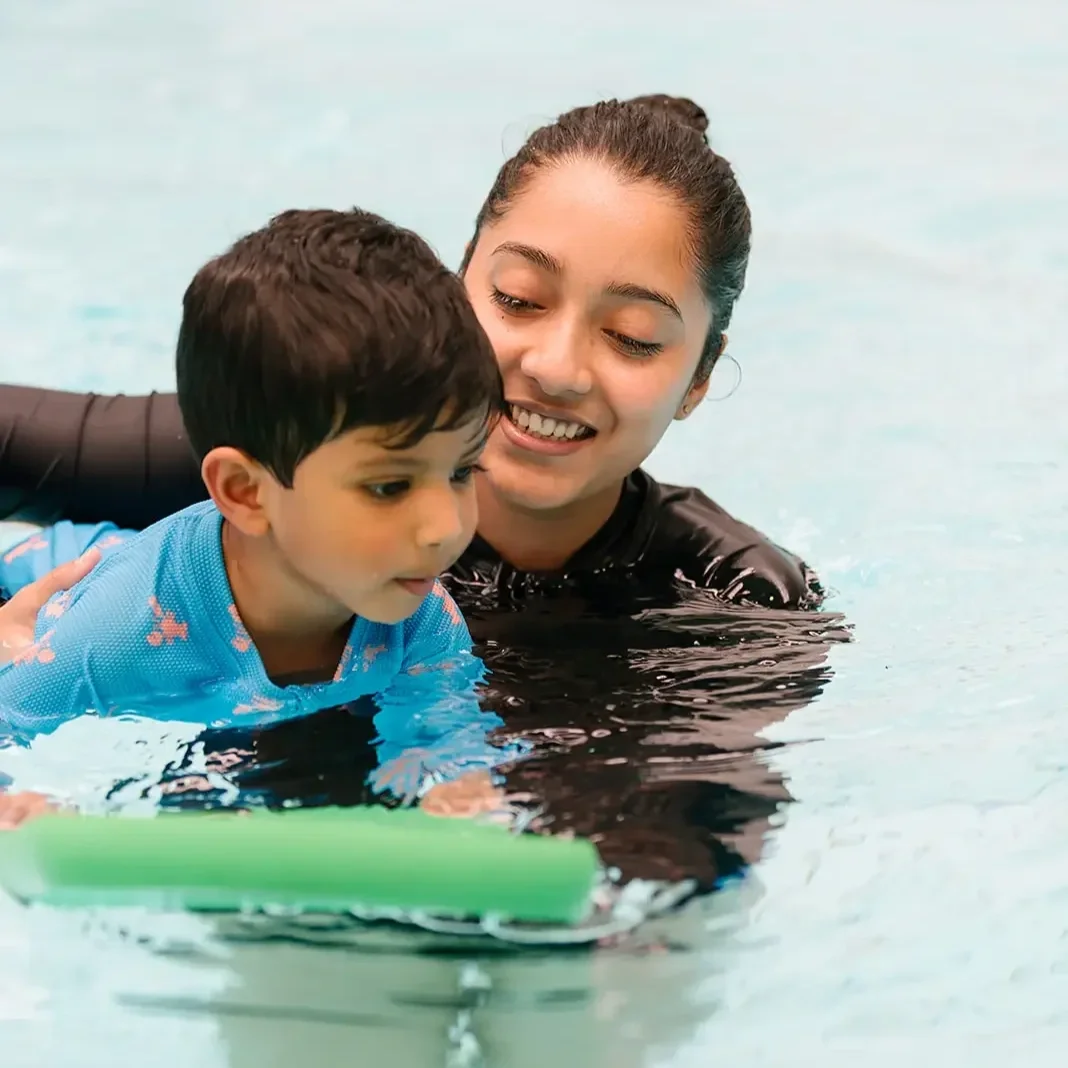
Every aquatic physiotherapy session at FSTS is individual — your child will not be sharing the pool with other participants during their session.
-
We discuss your child's history, goals, and what you are hoping to get from aquatic physiotherapy. If your child has not had hydrotherapy before, we talk through what to expect, what to bring, and how to prepare.
-
Sessions take place at heated therapy facilities across Melbourne's eastern, northern, and south-eastern suburbs — selected to suit your family's location. Our physiotherapist or allied health assistant (working under direct physiotherapy direction) will be in the water with your child throughout the session.
-
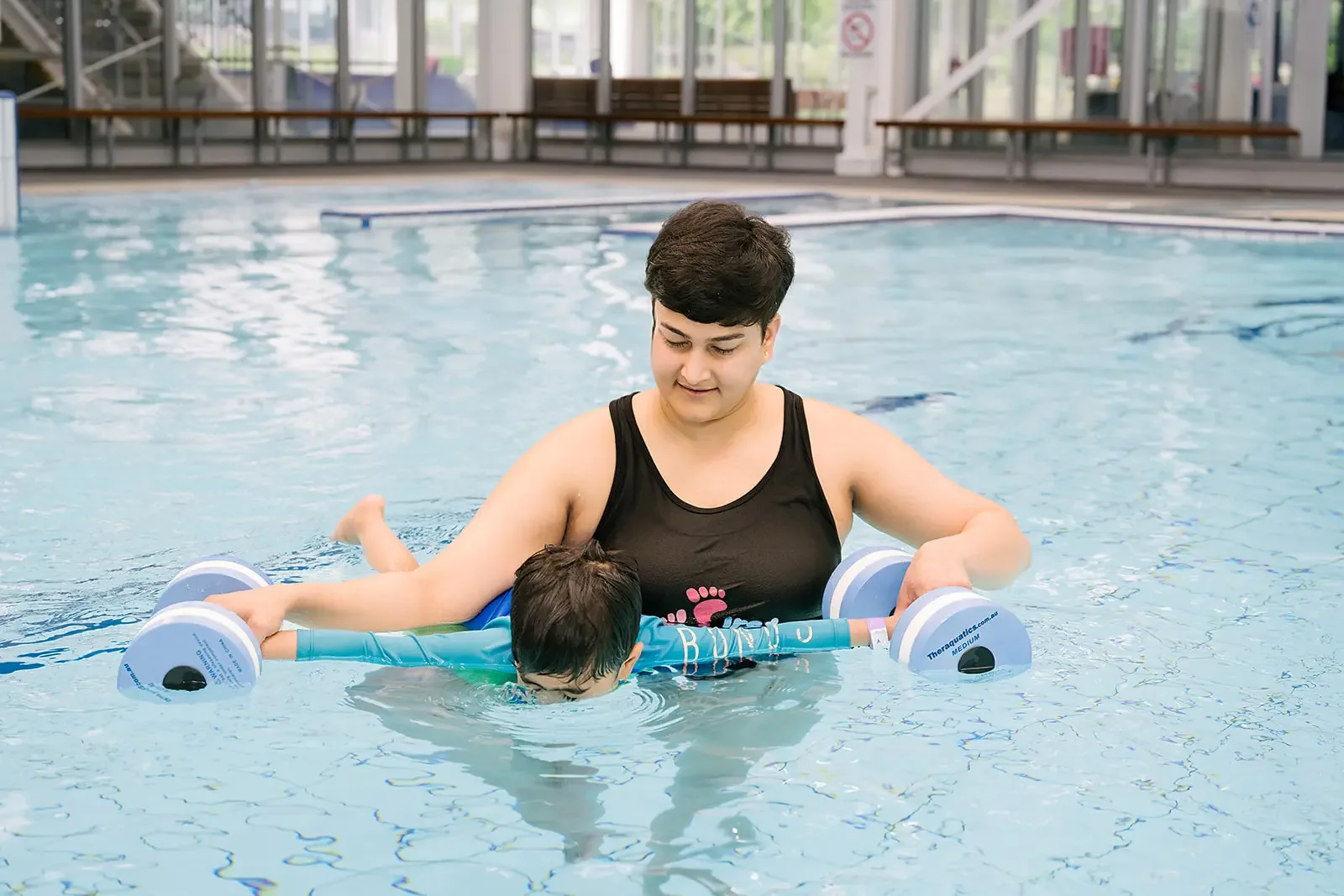
Activities are always tailored to your child's goals for that day. Sessions may include supported movement and stretching, active strengthening exercises in water, balance and coordination activities, functional movement practice, and play-based therapeutic activities — all guided by your child's comfort and engagement.
-
Your therapist will update you on how the session went and what was worked on. Progress is documented and feeds back into your child's broader physiotherapy plan.
Who Delivers Aquatic Physiotherapy at FSTS?
Aquatic physiotherapy sessions at FSTS are delivered by:
Physiotherapists
Our paediatric physiotherapists lead aquatic physiotherapy assessment and program design, and deliver sessions directly where clinically indicated.
Allied Health Assistants (AHAs)
Our allied health assistants deliver aquatic physiotherapy sessions under the direct supervision and direction of an FSTS physiotherapist. The treating physiotherapist designs the program, monitors progress, and reviews the plan regularly. This model allows families to access more frequent aquatic sessions within their NDIS or private funding, while maintaining strong clinical oversight.
If you have questions about which model is right for your child, contact us and we will talk it through.
Locations
Aquatic physiotherapy sessions are available across three areas of Melbourne:
Eastern suburbs
Northern suburbs
South-eastern suburbs
We select pool facilities based on your family's location and the clinical needs of your child. Contact us to discuss what is available closest to you!
NDIS and Aquatic Physiotherapy
Aquatic physiotherapy may be funded under an NDIS plan depending on your child's goals and funded supports.
Physiotherapy-delivered sessions may be funded under Capacity Building — Improved Daily Living. Sessions delivered by an allied health assistant may be funded under Core Supports — Daily Activities, depending on how your child's plan is structured.
FSTS is a registered NDIS provider. We work with support coordinators and plan managers to make the process as smooth as possible for families.
Private-pay families are also welcome — no referral is required from either pathway. Contact us directly to discuss session availability and fees.
How to Get Started
No referral needed.
Families can contact us directly.
We will have a conversation about your child, their goals, and whether aquatic physiotherapy is likely to be a good fit. From there, we organise an initial session and go from there!