
Big Feelings in Little People: Helping Your Child Build Emotional Regulation
Help your child manage big emotions with gentle, practical ways to build emotional regulation in children, from a Melbourne allied health team. Read more.
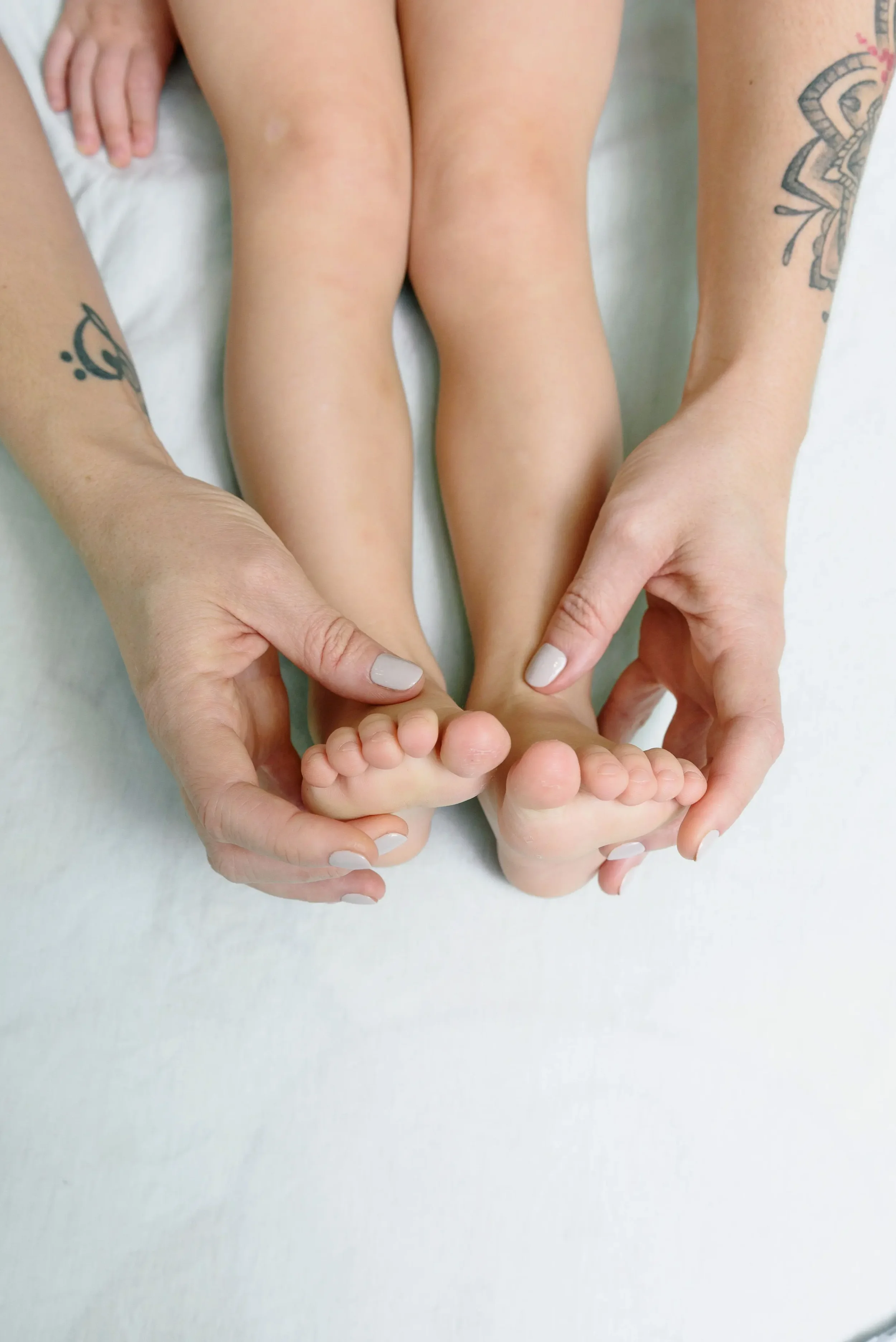
Growing Pains or an Injury? How to Tell the Difference
Is it growing pains or an injury? Learn the red flags every parent should know and when to see a paediatric physio in Melbourne. Read more and book today.

Tummy Time and Early Positioning: What New Parents Really Need to Know
Tummy time and early positioning explained for new parents in Melbourne. Simple, gentle tips to support your baby's development. Book with FSTS today.

Gross vs Fine Motor Skills: What's the Difference and How to Help Your Child
What's the difference between gross and fine motor skills, and how does physio help both? A plain-English guide for Melbourne parents. Read more and book.

Is My Child Hypermobile? Signs of Hypermobility in Children and How Physio Helps
Worried your child is too flexible? Learn the signs of hypermobility in children and how paediatric physio in Melbourne can help. Book online today.
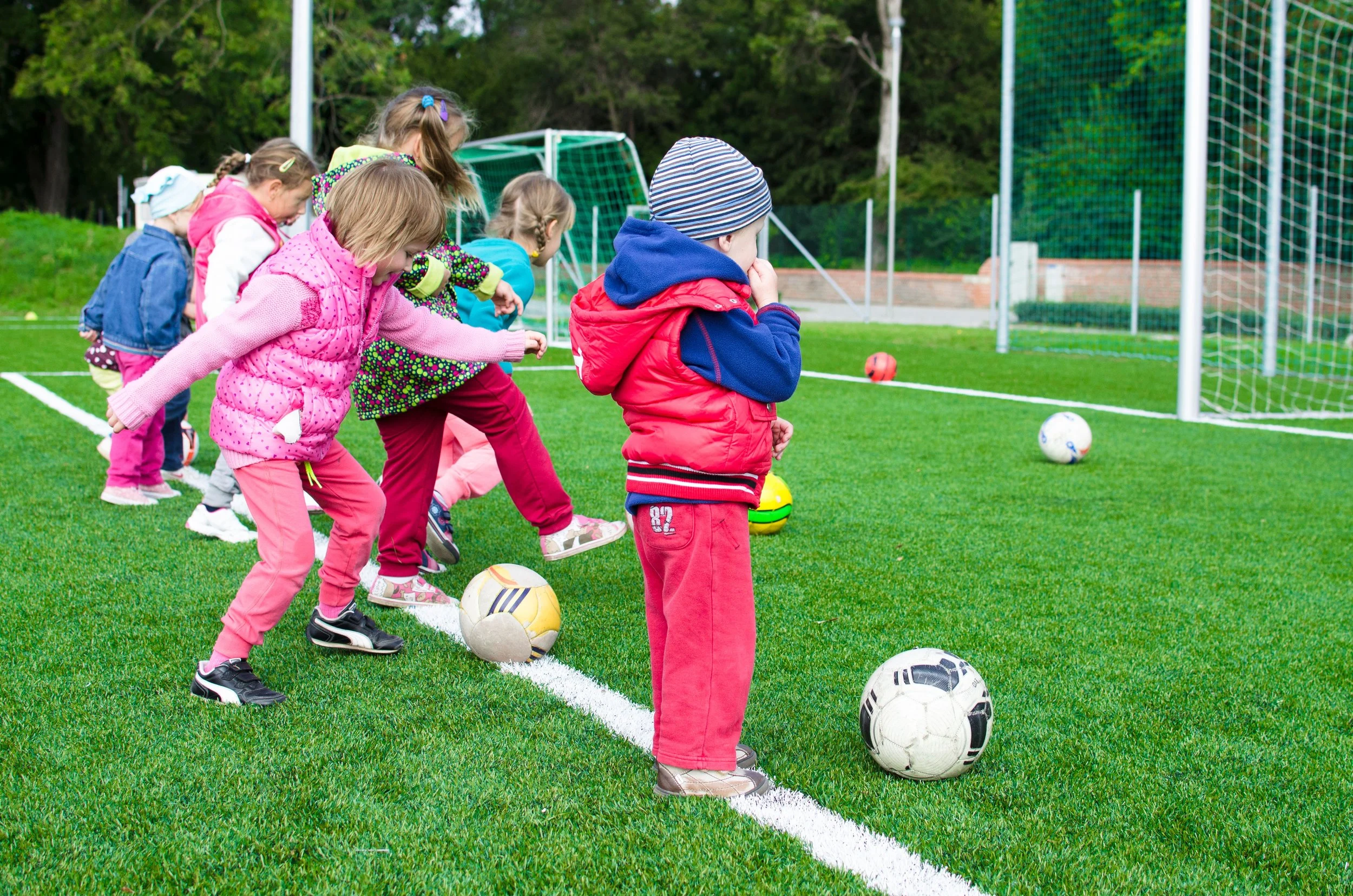
3 Winter Holiday Group Sessions to Keep Your Child Active
Our winter holiday group sessions for kids run across Melbourne this July. See the 3 NDIS-friendly programs and book online with First Step Therapy Services.

Keeping Kids Active This Winter: 5 Simple Indoor Ideas
Keeping kids active this winter? Try 5 simple indoor activities, plus tips for children with disability.

DDH in Babies: Signs Every Parent Should Know, and What to Do Next
DDH (developmental dysplasia of the hip) is more common than many parents realise. Learn the signs at every age and when to get a hip check — First Step Therapy Services, Melbourne.
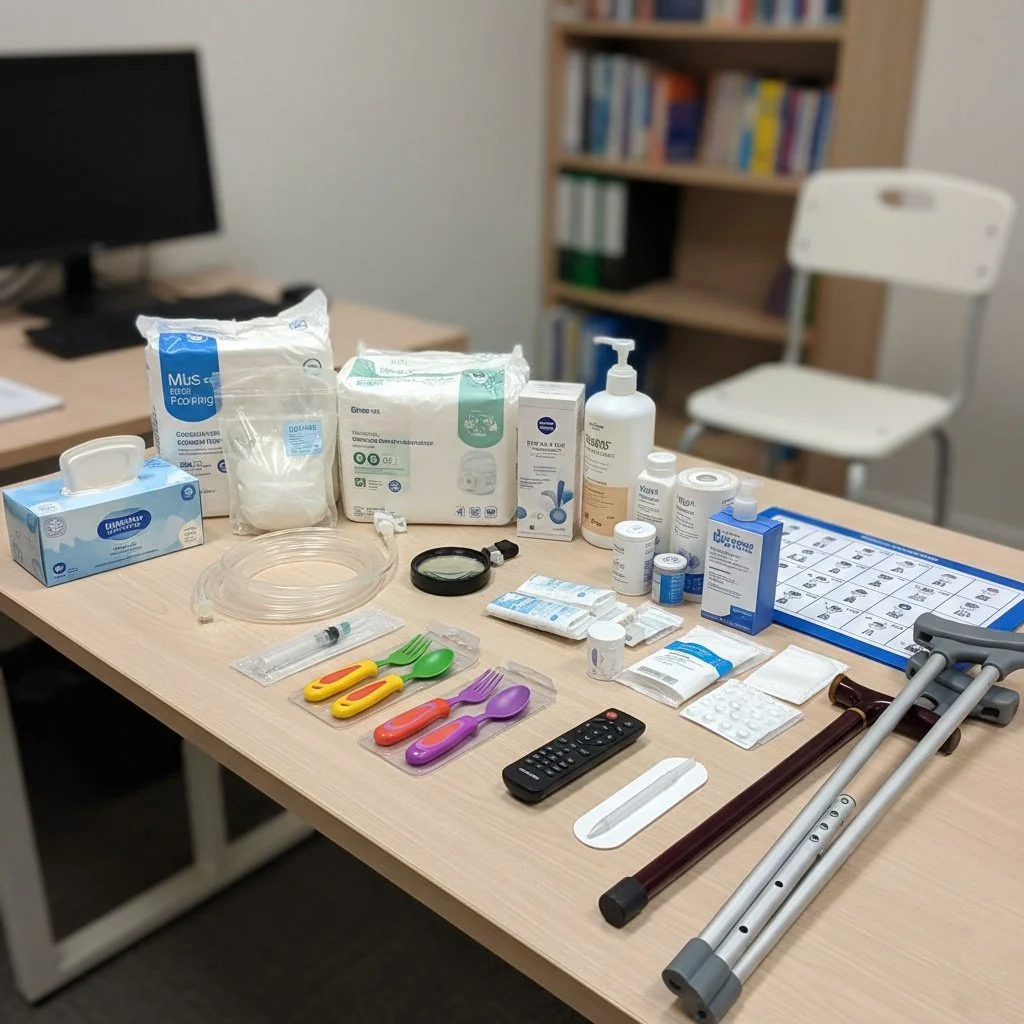
NDIS Support Explained: Claiming Consumables and Low-Cost Assistive Technology
Understanding NDIS consumables and low-cost assistive technology (AT) can help you make the most of your plan. From everyday supports like continence aids to simple mobility tools, this guide explains what you can claim and how to stretch your budget with confidence.

Toe Walking in Children
It is quite common to see toddlers occasionally walk on their tiptoes when they are first learning to navigate the world. However, if a child continues to walk on their toes beyond the age of three, it warrants a closer look. Persistent toe walking can lead to structural changes in the feet and legs if left unaddressed.