

Top Strategies for Helping Children Overcome Walking Delays
As parents, caregivers, and healthcare professionals, one of the most exciting milestones in a child’s development is when they take their first steps. Walking is a major developmental achievement that opens up a world of possibilities for exploration, independence, and physical activity. However, for some children, walking may be delayed, leaving parents concerned and wondering how they can best support their child in overcoming this challenge.
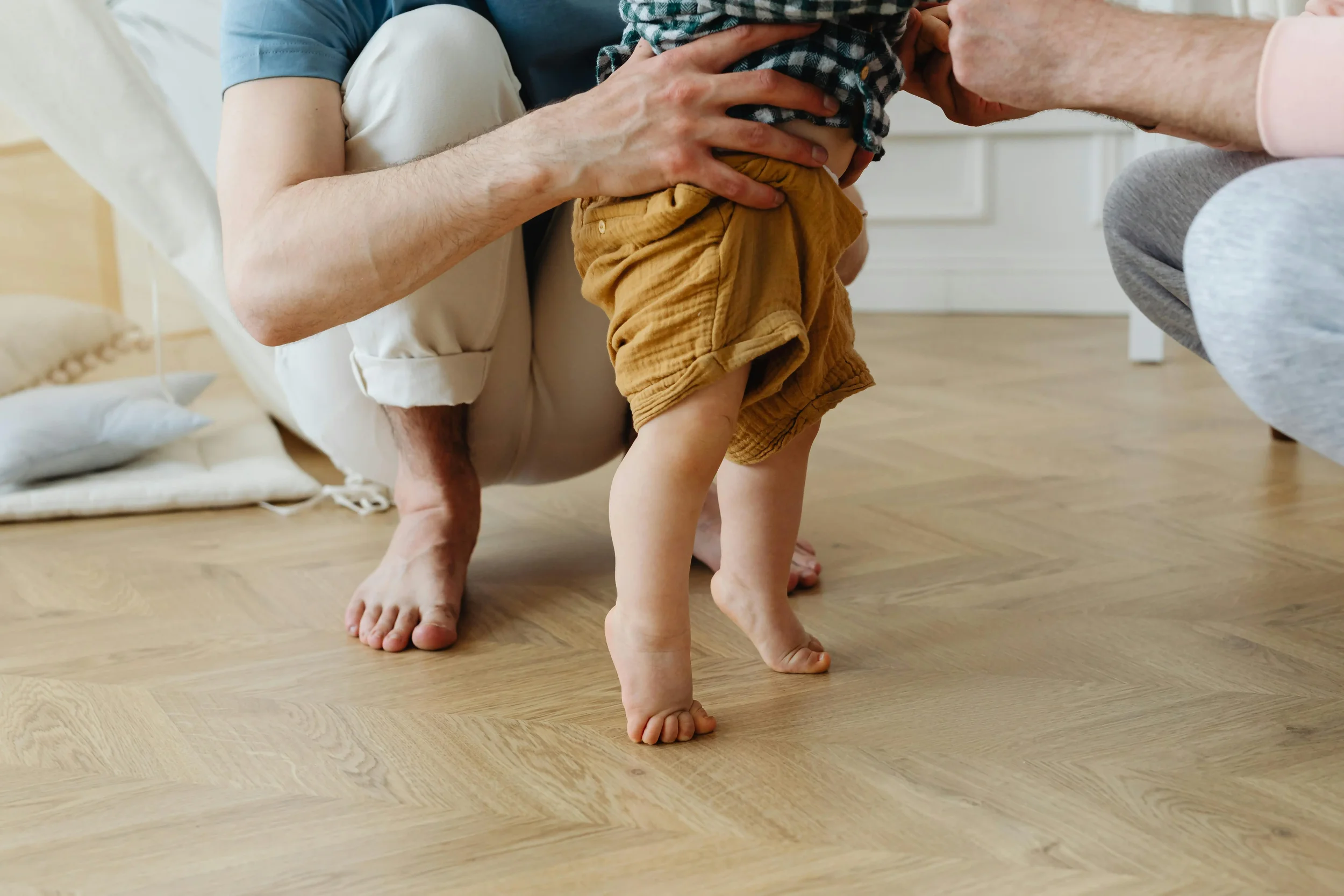
A delay in walking can be caused by a variety of factors, ranging from muscle weakness or coordination issues to environmental factors or developmental disorders. Fortunately, with early intervention and the right strategies, many children can successfully overcome walking delays and develop the strength, coordination, and confidence needed to walk independently. In this blog, we’ll explore the top strategies for helping children overcome walking delays, from creating a supportive environment to using physical therapy techniques.
Understanding Walking Delays in Children
Before diving into strategies, it's important to understand what constitutes a walking delay. While every child develops at their own pace, most children begin walking between 9 and 18 months of age. Some may take their first steps earlier or later, and slight variations in development are normal. However, a delay in walking might be more noticeable if a child shows little to no interest in standing or walking by 18 months or exhibits difficulty in walking independently even after 2 years of age.
Walking delays can be caused by:
Muscle Weakness: Weak leg muscles or low muscle tone can make it difficult for children to stand or walk independently.
Coordination Issues: Some children may have difficulty coordinating their movements or balancing themselves, which can delay walking.
Developmental Delays: Conditions such as cerebral palsy, Down syndrome, or other neurological disorders can cause delays in motor milestones like walking.
Environmental Factors: Lack of opportunities to practice walking, such as being carried too much or not having a safe space to explore, can contribute to delays.
Foot or Hip Issues: Conditions such as flat feet, hip dysplasia, or clubfoot may also hinder a child’s ability to walk.
Recognizing the underlying causes of a walking delay can help determine the best approach for intervention. Let’s look at some of the most effective strategies for supporting children who are facing walking delays.
1. Early Intervention with Physical Therapy
One of the most effective ways to help a child overcome a walking delay is through early intervention with physical therapy. A pediatric physiotherapist can assess the child's motor development and create a tailored therapy plan that targets muscle strength, coordination, and balance. Physical therapy can help by:
Building Muscle Strength: Through exercises that target the legs, hips, and core, physical therapy can help children strengthen the muscles needed for walking.
Improving Coordination: Specialized exercises and activities can help children learn how to coordinate their movements, which is essential for walking.
Enhancing Balance: Balance exercises help children gain confidence in standing and walking independently.
Addressing Underlying Conditions: If the walking delay is related to a neurological condition, physical therapy can help manage muscle tone, motor control, and functional movement patterns.
Regular sessions with a physiotherapist can provide the structured support a child needs to develop the necessary skills to walk.
2. Encouraging pre-cursors of standing and walking are achieved
Encouraging precursor motor skills for standing and walking is essential in supporting a child’s overall physical development. These foundational skills include trunk control, leg strength, and ability to transition from lying to sitting, sitting to crawling, sitting to kneeling, kneeling to half kneel and push to stand. Also developing transition skills to and from different postures. Creating opportunities for active movement and exploration helps children build the necessary strength and confidence for independent standing and walking. Parents, caregivers, and educators can use simple, everyday activities to promote these skills in a fun and engaging way.
Here are some effective ways to encourage precursor motor skills:
Tummy time – Strengthens neck, shoulder, and core muscles.
Reaching for toys- Crosses midline and strengthens core and out of base balance
Coordinating body posture from one position to another- While playing the baby should learn to maneuver their body from one position to another. This indicates ability to coordinate limbs and trunk together.
Supported standing at a low table – Encourages weight-bearing through the legs.
Cruising along furniture – Develops coordination and lateral movement.
Push toys or walkers – Promote forward motion and leg strength.
Games involving squatting and reaching – Improve balance and hip control.
Obstacle courses – Enhance body awareness and problem-solving.
3. Using Supportive Devices
For children with muscle weakness, joint instability, or coordination challenges, supportive devices like walkers or standers can be helpful tools for promoting standing and walking. These devices can provide additional stability and assist in weight-bearing activities, allowing children to practice walking motions in a safe environment. However, it’s important to note that supportive devices should be used in moderation and under the guidance of a healthcare professional. Over-reliance on devices may delay the development of independent walking.
Walkers: Anterior or posterior support walkers, or complex support walkers aid with trunk or arm support for initiating walking.
Standing Frames: For children with low muscle tone or developmental delays, standing frames can help them practice weight-bearing and improve leg strength.
Orthotics: If a child has issues like flat feet, custom orthotics or shoes can provide additional support and help improve walking posture.
These devices should be used as part of a broader plan to encourage independent walking, including physical therapy and functional play.
4. Creating a Safe and Encouraging Environment
A child’s environment plays a critical role in encouraging walking. Creating a safe, supportive, and stimulating environment helps children practice their skills without fear of injury. Consider the following tips for promoting walking at home:
Clear, Open Space: Ensure that there is plenty of open space for children to explore. Avoid obstacles that could cause tripping or falling.
Encourage Exploration: Allow children to move freely and explore their surroundings. Place toys and objects at different heights and distances to encourage reaching, standing, and walking towards them.
Use Furniture for Support: Place furniture, such as a couch or low table, in a way that children can use it for support while learning to stand or walk. Encourage children to pull up to a standing position and walk along the furniture.
Barefoot Play: Encourage children to walk barefoot on safe surfaces (like carpet, grass, or soft flooring) to help them develop a better sense of balance and body awareness. Barefoot play strengthens foot muscles and allows children to feel more stable.
5. Promoting Independent Standing and Walking
Once a child begins to stand independently, it’s important to encourage them to walk. Here are some ways to motivate a child to take those first steps:
Hold Their Hands: Begin by holding a child’s hands and guiding them as they take steps. Gradually reduce the amount of support as they gain confidence.
Use Positive Reinforcement: Celebrate every attempt at walking with praise, clapping, or encouragement. Positive reinforcement builds confidence and motivation.
Encourage Movement with Toys: Place favourite toys or objects just out of reach to encourage children to walk towards them. This makes the experience fun and goal oriented.
Create Fun Walking Games: Play games like “Follow the Leader” or “Walk to Mommy/Daddy” to make walking an exciting and engaging activity.
6. Be Patient and Consistent
Overcoming walking delays can take time. It’s essential to be patient and consistent with your approach. Celebrate small milestones along the way, such as standing independently or taking a few steps, as these are signs of progress. The combination of physical therapy, a supportive environment, and consistent encouragement will go a long way in helping your child overcome walking delays.
Conclusion
Walking delays can be a source of concern for parents, but with early intervention, a supportive environment, and the right strategies, many children can successfully overcome these challenges. By combining physical therapy, tummy time, supportive devices, and plenty of opportunities for movement and exploration, children can develop the strength, coordination, and confidence they need to walk independently. Remember, every child is unique, and while some may take longer than others to reach this milestone, the journey is an important one that leads to greater physical independence and confidence.
Is your child experiencing walking delays? Call us or book a consultation!
Autism support, Paediatric therapy, Early intervention, Social skills, Communication support, Sensory therapy, Child development
#ChildDevelopment #WalkingMilestones #PediatricTherapy #PhysicalTherapyForKids #EarlyIntervention #WalkingDelays #ChildGrowth #MotorSkillsDevelopment #PediatricPhysiotherapy #DevelopmentalMilestones #pt #ot #ndis #ndia #physio #physiotherapy #physicaltherapy #Physiotherapist #paediatric #paediatricphysio #paedsphysio #speechtherapist