

Is My Child Hypermobile? Signs of Hypermobility in Children and How Physio Helps
You may have noticed that your child can bend their fingers back further than seems normal, or that they fold into a comfortable cross-legged heap on the floor with no effort at all. Maybe their friends are impressed by how far their thumb stretches back towards their wrist. For a lot of children, very flexible joints are simply part of how they are built. But some children with hypermobility in their joints also get sore legs at night, tire quickly at the park, or come home from school with messy, painful handwriting. If any of that sounds familiar, you are not imagining it, and you are far from alone! Here is what hypermobility in children really means, when it is worth a closer look, and how physiotherapy can help.
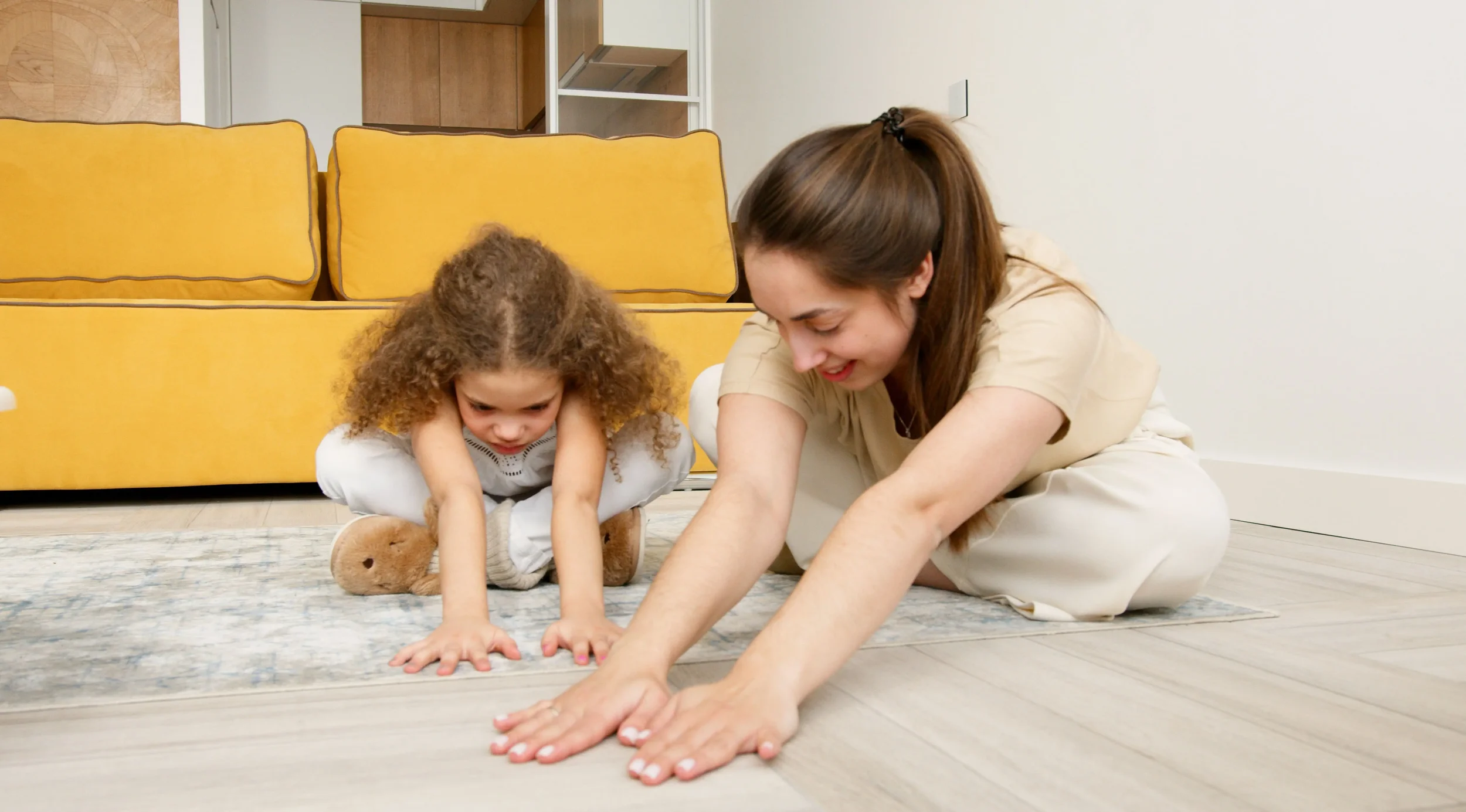
What hypermobility looks like in children
Hypermobility simply means a child's joints move beyond the usual range of motion. It is common, and on its own it is not a problem or a diagnosis. Plenty of children with hypermobile joints are strong, comfortable and happy to run around all day. Others find that their flexibility comes with a few extra challenges. Things parents often notice include:
Joints that click or pop during everyday movement
Tiredness or aching legs, especially after a busy day or at bedtime
A tendency to roll ankles or pick up minor sprains during sport
Discomfort when sitting still, and shifting position a lot
Handwriting that becomes messy or sore after only a short time
None of these signs confirm anything by themselves. They are patterns that can be worth mentioning to your GP or a paediatric physiotherapist, who can look at the whole picture rather than any single symptom.
When flexible joints start to cause problems
The main thing physiotherapists pay attention to with hypermobility is joint stability. Ligaments are the tissues that hold a joint together. When they are looser than average, the muscles around the joint have to do more work to keep everything steady and in place. For an active child, that extra effort can show up as fatigue, sore muscles, or what families often call growing pains.
Some children also find it harder to sit upright at a desk, which can affect both concentration and handwriting at school. A smaller number experience repeated joint strains or ongoing pain. Research suggests that with the right support, many of these issues can be managed well, and a great many hypermobile children stay active without any difficulty at all. The aim is to work out which children would benefit from a bit of extra help, and to start early.
Will my child grow out of hypermobility?
This is a question we hear from parents a lot. For some children, joints become a little less mobile as they grow and their muscles get stronger, and any aches settle down on their own. For others, hypermobility stays with them into their teens and adulthood, which is completely normal and not a cause for alarm. What matters more than the flexibility itself is whether your child is comfortable, confident and able to do the things they want to do. If sore joints or fatigue are getting in the way of school, sport or play, that is the point to seek support, whatever your child's age. Help is just as useful for an active eight-year-old as it is for a wobbly toddler.
How physiotherapy can help a hypermobile child
Helping a hypermobile child is not about making them less flexible. It is about building the strength and control that lets them use that flexibility safely. A paediatric physiotherapist will usually begin by watching how your child moves, sits and plays, then put together a plan suited to them. That plan often includes:
Strengthening the muscles around the joints so they can support the extra range of movement
Building body awareness, so your child has a clearer sense of where their limbs are and how they are moving
Practical pacing strategies for managing energy across a busy school week
Gentle, playful activities to do at home that feel like fun rather than exercise
Because children learn best through play, good therapy tends to look a lot like games. We often work with families through our early intervention services, so the strategies fit naturally into everyday routines instead of feeling like one more thing to fit into the day.
Helping your child at home and at school
Small, consistent changes often make the biggest difference! Comfortable, supportive shoes can help with ankle stability during sport. Short movement breaks during homework can ease that restless, fidgety feeling. Choosing activities your child enjoys, whether that is swimming, scooting or playing at the local park, keeps them moving without overloading sore joints. If handwriting is a struggle, a chunky pencil or a pencil grip can take some of the strain off small finger joints.
When families understand why their child tires or aches, everyday life often feels a lot less stressful. Families across Melbourne, including those near our Clayton South and Heidelberg clinics, find that a clear explanation goes a long way! You do not need a formal diagnosis to ask for advice. A physiotherapist can help you tell the difference between typical childhood flexibility and a pattern that is worth a closer look.
Ready to take the next step for your child?
in Clayton South or Heidelberg today!
paediatric physiotherapy Melbourne | NDIS physiotherapy children | hypermobility in children | hypermobile child symptoms | joint hypermobility kids | growing pains children | joint stability exercises | childrens physio Clayton South | paediatric physio Heidelberg | First Step Therapy Services | childrens therapy Melbourne | physio for flexible joints
#paediatricphysio #kidsphysio #hypermobility #hypermobilekids #jointhypermobility #doublejointed #childdevelopment #growingpains #jointhealth #physiotherapy #earlyintervention #paediatrictherapy #NDIS #NDISkids #NDISaustralia #melbournephysio #melbournekids #claytonsouth #heidelberg #FirstStepTherapyServices