

Moving Forward Together: Physiotherapy and Cerebral Palsy
March is Cerebral Palsy Awareness Month, a time to celebrate the strength of children and families living with Cerebral Palsy, and to highlight the therapies that make a real difference every day.
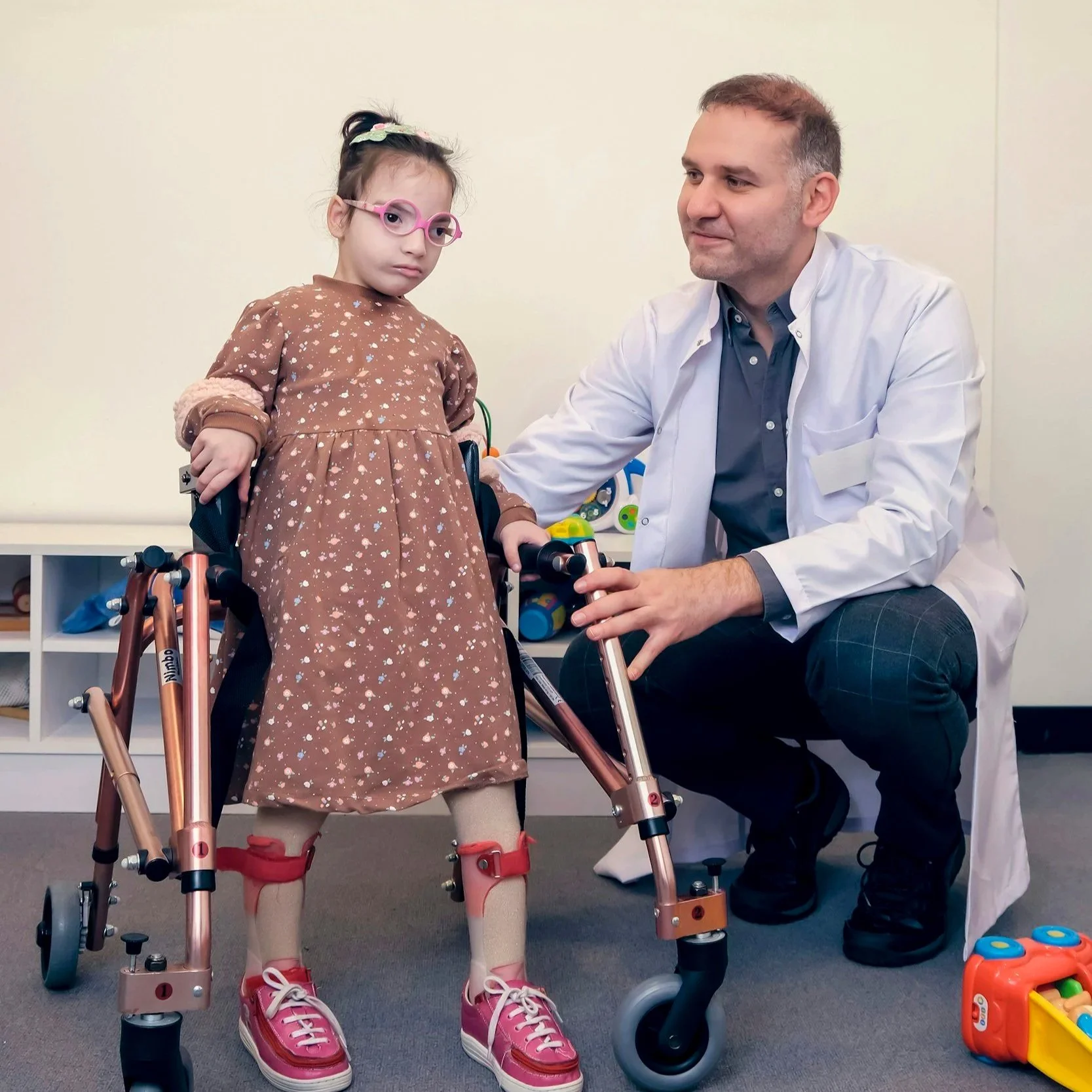
Cerebral palsy (CP) is the most common physical disability in childhood, affecting around 1 in 500 babies born in Australia. It is caused by damage to the developing brain, most often before or during birth, that affects a child’s movement, posture, and muscle tone. CP looks different in every child, ranging from mild stiffness in one limb to needing full support with movement and daily activities.
Signs to Look Out For
Early signs of CP can appear in the first year of life and may include:
Delays in rolling, sitting, crawling, or walking
Preference for one hand before 12 months
Stiffness or floppiness in the arms or legs
Asymmetrical movements or unusual postures
If you notice any of these signs, speaking with a paediatric physiotherapist early can make a significant difference. The brain is at its most adaptable in the first few years of life, which is why early intervention is so powerful.
How Can Physiotherapy Help?
Physiotherapy works with the brain’s remarkable ability to rewire itself — a process known as neuroplasticity. Through targeted, repetitive, and meaningful movement practice, our physiotherapists help children build new pathways and reach their physical potential.
At FSTS, therapy is always tailored to your child. We focus on:
Gross motor development — rolling, sitting, standing, and walking
Muscle strength, tone, and flexibility
Balance, coordination, and gait training
Equipment prescription — AFOs, walkers, standing frames
Home exercise programs and parent coaching
Sessions are embedded in play so children are motivated and having fun — even while working hard. We meet every child exactly where they are, and we celebrate every step forward.
NDIS Support
Children living with cerebral palsy may be eligible for NDIS funding to support their therapy and equipment needs. Our NDIS registered team can work within your child’s plan to provide consistent, goal-focused physiotherapy. If you are unsure where to start, we are happy to guide you.
This March, know that you are not on this journey alone.
Reach out to the team at First Step Therapy Services to find out how physiotherapy can support your child with cerebral palsy. Book a consultation at fsts.com.au — because every child deserves the chance to move forward.
Keywords: cerebral palsy, cerebral palsy physiotherapy, paediatric physiotherapy, early intervention therapy, child development therapy, physiotherapy for cerebral palsy, neuroplasticity therapy for children, gross motor development, pediatric movement therapy, cerebral palsy treatment Australia, paediatric physiotherapist, child mobility therapy, CP early signs, therapy for developmental delay, NDIS physiotherapy services, physiotherapy for children with disabilities, CP support services, paediatric rehabilitation
#CerebralPalsy #CerebralPalsyAwareness #CPAwareness #PaediatricPhysiotherapy #ChildDevelopment #EarlyIntervention #Neuroplasticity #NDISSupport #NDISPhysiotherapy #DisabilitySupport #ChildRehabilitation #PediatricTherapy #GrossMotorSkills #MovementMatters #TherapyThroughPlay #InclusiveCare #PhysioForKids