

Supporting Non-Verbal Communication in Children with Disabilities
Communication is more than just words. For many children with disabilities, non-verbal communication plays a crucial role in expressing their needs, emotions, and thoughts. Understanding and supporting non-verbal communication can help children feel heard, connected, and empowered.
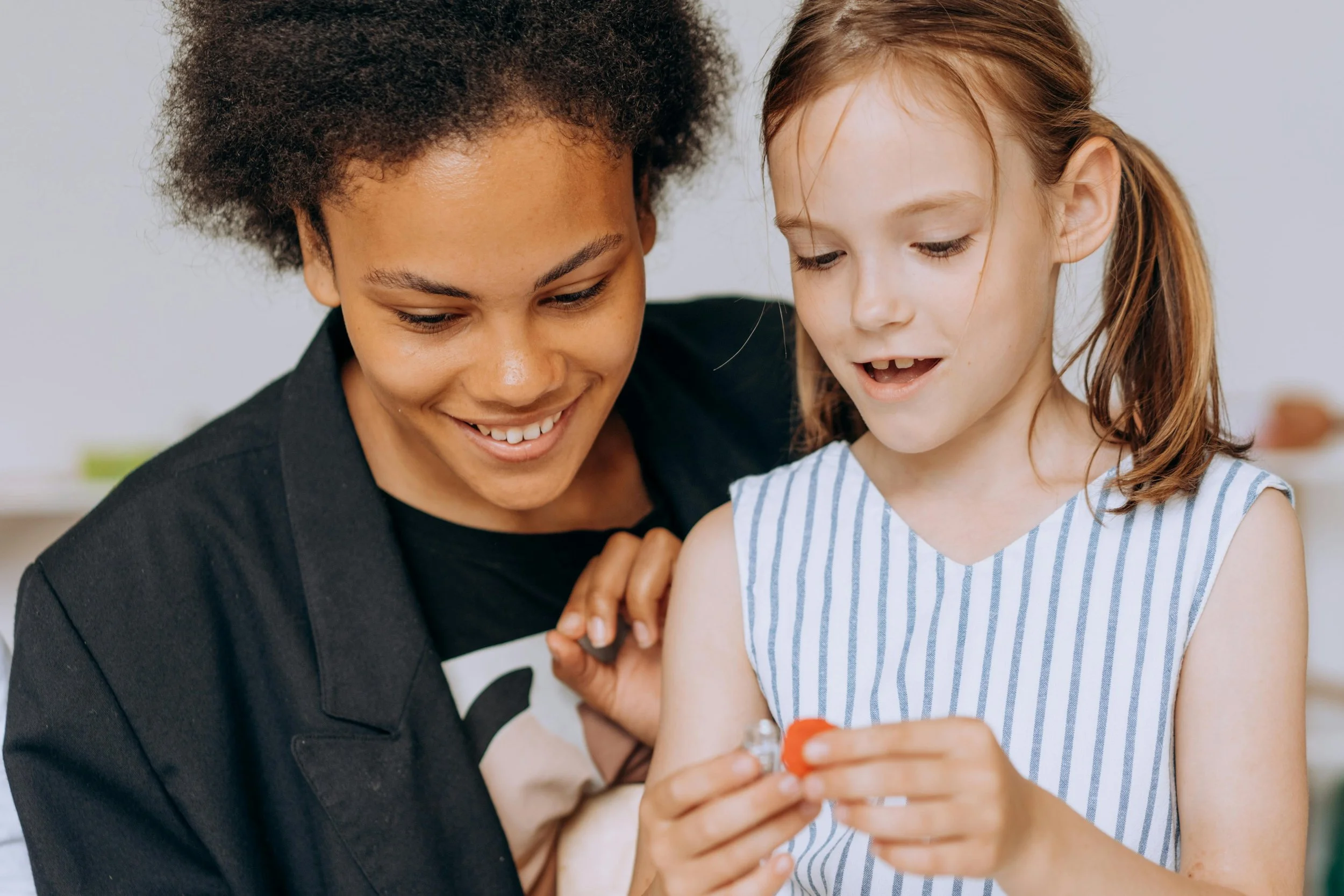
Why is Non-Verbal Communication Important?
✔️ Enhances Social Interaction – Helps children connect with caregivers, peers, and teachers.
✔️ Reduces Frustration – Provides alternative ways to express needs when speech is limited.
✔️ Supports Emotional Regulation – Encourages self-expression and emotional well-being.
✔️ Encourages Independence – Enables children to communicate in a way that works for them.
✔️ Builds Confidence – Gives children a voice beyond words.
Types of Non-Verbal Communication
Gestures – Pointing, waving, clapping, or using hand signals.
Facial Expressions – Smiling, frowning, raising eyebrows, and other cues.
Body Language – Posture, movements, and physical closeness.
Eye Gaze – Looking at objects or people to indicate interest or requests.
Visual Aids – Picture exchange systems (PECS), communication boards, and symbol cards.
Assistive Technology – Speech-generating devices and communication apps (AACs).
How to Support Non-Verbal Communication
1. Create a Supportive Environment
Be patient and give the child time to respond.
Encourage multiple forms of communication.
Use a calm and encouraging tone.
2. Introduce Alternative Communication Methods
Use visual aids, gestures, and body language.
Implement Augmentative and Alternative Communication (AAC) systems tailored to the child’s needs.
3. Encourage Social Interaction
Model non-verbal communication techniques.
Engage in activities that promote eye contact and gestures.
Reinforce communication attempts positively.
4. Work with Professionals
Collaborate with speech therapists, occupational therapists, and physiotherapists.
Develop a personalized communication plan.
Empowering Children Through Communication
At First Step Therapy Services, we specialize in supporting children with disabilities in their communication journey. With over 15 years of experience, our team uses tailored strategies to address each child's unique needs, enhancing their ability to express themselves confidently and independently.
If you have any concerns, don't hesitate to contact us—we’re here to help!
Keywords: Non-verbal communication, Autism support, Pediatric therapy, Augmentative communication, Early intervention, Social skills, Assistive technology, Child development, Speech therapy
#NonVerbalCommunication #ChildDevelopment #PediatricTherapy #AutismSupport #EarlyIntervention #SocialSkills #AAC #TherapyForKids #NDIS #PaediatricPhysio #pt #ot #ndis #ndia #physio #physiotherapy #physicaltherapy #Physiotherapist #paediatric #peadiatricphysio #paedsphysio #speechtherapist