Paediatric Continence Assessment
Heidelberg & Clayton South, Melbourne | NDIS Registered
Bladder and bowel difficulties in children are more common than many parents realise — and more manageable than many families fear. But getting clarity on what is actually happening is the essential first step.
A paediatric continence assessment at First Step Therapy Services gives you exactly that: a clear, thorough, physiotherapy-led assessment of your child's bladder, bowel, and toileting function — with a written report and practical recommendations you can act on.

What Is a Paediatric Continence Assessment?
A paediatric continence assessment is a structured, clinically-led appointment that looks at how your child's bladder and bowel are functioning, what may be contributing to any difficulties, and what options exist to support them.
It is different from an ongoing therapy program. This is an assessment — with a beginning, a detailed process, and a clear output: written findings and recommendations that can be used to guide next steps, whether that is physiotherapy at FSTS, input from another health professional, a referral, or changes to your child's routine at home.
What Concerns Does This Assessment Cover?
-
Accidents during the day beyond the age where bladder control is typically expected.
-
Wetting the bed at night, assessed in the context of your child's age, development, and bladder function.
-
Needing to rush to the toilet or going far more often than expected throughout the day.
-
A pattern of not fully emptying the bladder, which can contribute to urgency, frequency, and recurring infections.
-
Infrequent, difficult, or painful bowel movements — including assessment of how constipation may be affecting bladder function.
-
Bowel leakage or accidents, assessed in the context of bowel habits, withholding, and overflow.
-
Refusal, anxiety, posture challenges, or difficulty with the physical mechanics of toileting.
-
Children with neurodevelopmental diagnoses, physical disabilities, or sensory processing differences where continence is part of a broader picture.
Who Is This Assessment For?
This assessment may be appropriate for children who:
Are still wetting during the day beyond age 4, or at night beyond age 5–6
Have recurring urinary tract infections with no identified structural cause
Have constipation that has not resolved with dietary changes alone
Are experiencing soiling or bowel leakage
Have been told to "wait and see" but the concern has persisted
Are preparing for a transition — starting school, changing programs, or approaching an NDIS plan review — and need current, documented information about continence status
Have a diagnosis (cerebral palsy, autism, ADHD, hypermobility, spina bifida, Down syndrome) and continence is identified as a goal area in their plan
Have been referred by a GP, paediatrician, maternal and child health nurse, or allied health colleague
What Does the Assessment Include?

-
We spend time understanding your child's full picture — toileting habits, fluid and fibre intake, daily routine, relevant medical history, and any investigations already completed.
-
If you have completed a bladder or bowel diary before the appointment (we can send you a template), this helps us see patterns. If not, we will discuss your child's typical day together.
-
A fully clothed, non-invasive observation of your child's posture, core and pelvic positioning on a toilet seat, and any relevant movement patterns. There is no internal examination.
-
We look at how your child's physical development, movement abilities, and sensory profile may be influencing their continence.
-
We explain what we have found, what it means, and how it connects to your child's presenting concerns — in plain language.
-
A formal written report is provided, summarising assessment findings and recommendations. This can be shared with your GP, paediatrician, school, or support coordinator.
After the Assessment
Following the assessment, the pathway forward may include:
Ongoing paediatric pelvic floor physiotherapy at FSTS (where therapy is clinically indicated)
A home management plan with practical strategies for toilet routine, positioning, and fluid/fibre intake
A referral to a continence nurse specialist, paediatric gastroenterologist, or urologist if indicated
A letter or report to share with your child's school or early childhood service
Documentation for an NDIS plan review or AT report
Looking for ongoing therapy rather than a standalone assessment? Visit our Paediatric Pelvic Floor Physiotherapy page

NDIS and Continence Assessment
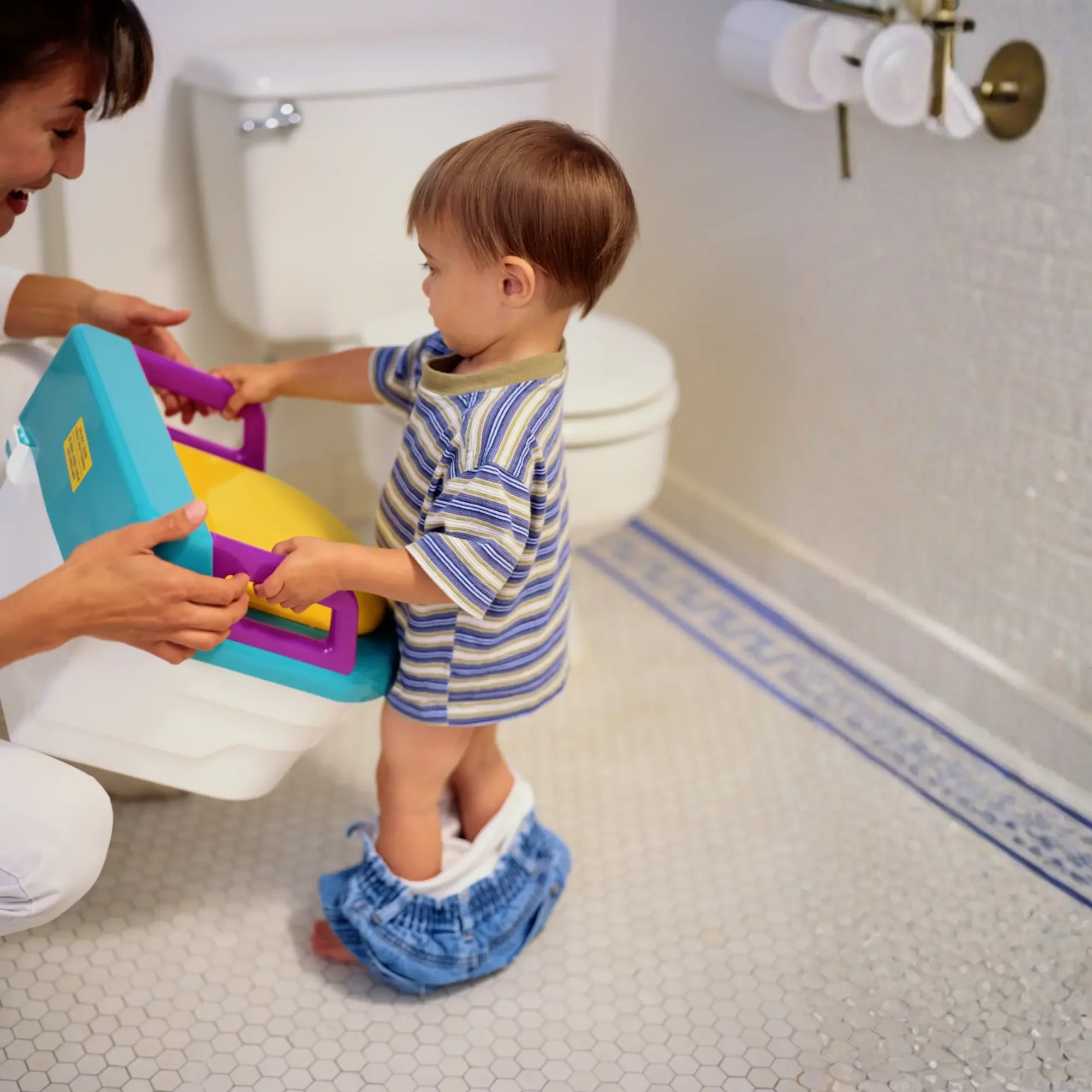
A paediatric continence assessment may be funded under an NDIS plan where continence is linked to your child's disability and functional goals. This may fall under Capacity Building — Improved Daily Living, depending on your child's plan and funded supports.
NDIS participants may also be eligible for continence-related supports through the NDIS Continence Assessment and Management pathway — your physiotherapist can advise on this during the appointment.
FSTS is a registered NDIS provider. If you are unsure what your child's plan covers, contact us and we can help you work through it with your support coordinator or plan manager.
Also in Paediatric Clinical Assessments

👶 Head Shape & Torticollis Assessment
Measurement-based assessment for babies 1 week to 24 months, using callipers and the Plagiocephaly Severity Scale. For flat head concerns, neck tightness, and positional preferences

🚶 Gait Analysis
AI-powered, markerless walking assessment using Orthelligent® VISION. Objective data on step length, symmetry, joint movement, and gait patterns — delivered in under five minutes.
Book a Continence Assessment
Available at our Heidelberg and Clayton South clinics.
Home visits may be available on request — contact us to discuss.