Paediatric Gait Analysis for Children
Heidelberg & Clayton South, Melbourne | NDIS Registered
The way a child walks tells us a lot. Gait — the pattern of how someone moves when walking — can reveal information about muscle strength, joint alignment, balance, coordination, and neurological development that is difficult to see with the naked eye alone.
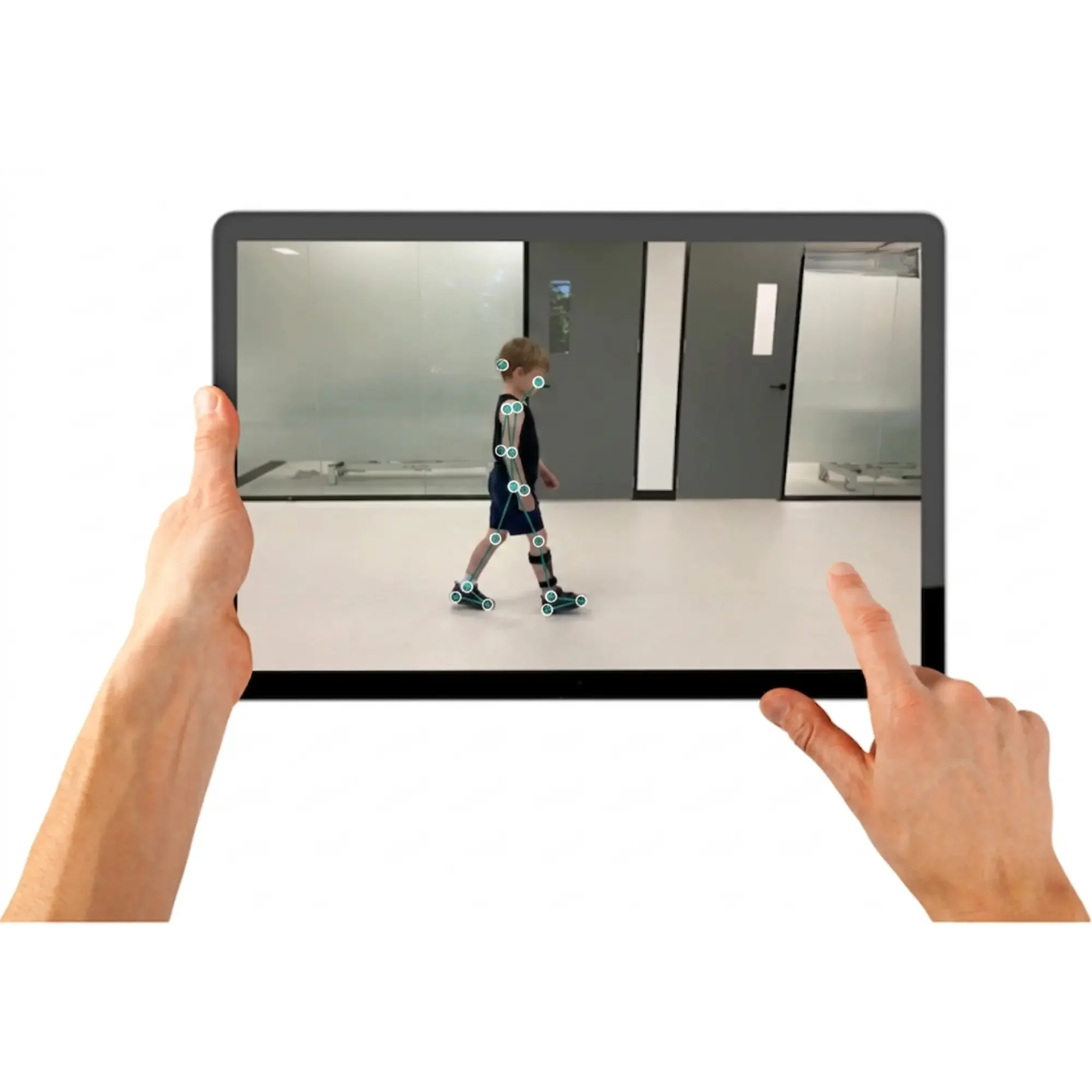
At First Step Therapy Services, we offer AI-powered gait analysis using Orthelligent® VISION — a markerless motion analysis tool that gives our physiotherapists objective, measurable data about how your child moves. No markers, no lab, no complicated setup. Just your child walking, and precise data delivered within minutes.
This assessment is part of our Paediatric Clinical Assessments suite — available alongside our Head Shape & Torticollis and Continence Assessment services

What Is Gait Analysis?
Gait analysis is a structured assessment of how a child walks. It looks at how each part of the body — hips, knees, ankles, feet, and trunk — moves and works together during walking.
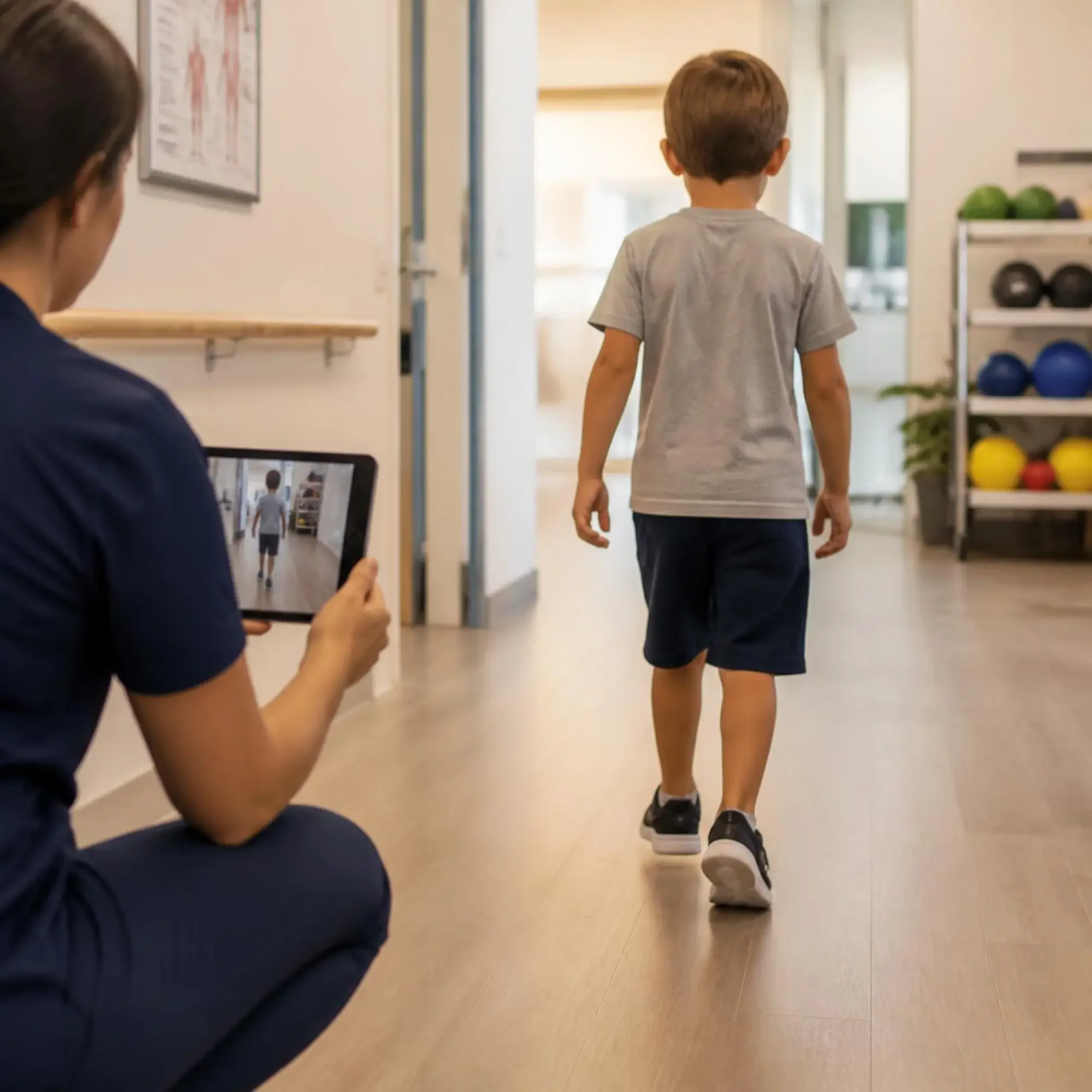
Traditional gait analysis required expensive laboratory equipment and physical markers attached to the body. At FSTS, we use Orthelligent® VISION, which captures a full movement analysis using a standard tablet. The result is a precise, objective picture of how your child moves, delivered in a format that is easy to understand and immediately useful for planning therapy.
Introducing Orthelligent® VISION at FSTS

Orthelligent® VISION is an AI-powered, markerless motion analysis system that delivers a full gait assessment in under five minutes. It uses computer vision to identify key landmarks — hips, knees, and ankles — and automatically calculates gait parameters for every step your child takes.
What this means for families: your child simply walks. We record, the technology analyses, and within minutes we have an objective, detailed report to discuss with you in the same session.
Findings are presented in a clear PDF report — with visual graphs and numerical data — that can be shared with your child's paediatrician, orthotist, neurologist, school, or support coordinator.
What Does a Gait Analysis Measure?
A gait analysis session using Orthelligent® VISION may provide data on:

Movement and timing
Step length (left and right independently)
Walking speed and cadence
Cycle duration and stance time
Double support phase
Symmetry
Left-to-right movement symmetry
Gait variability across multiple steps
Joint and postural patterns
Hip, knee, and ankle movement
Trunk and pelvic position during walking
Overall posture throughout the gait cycle
Gait phases
How your child loads and pushes off with each step
Swing and stance phase distribution
Who May Benefit from a Gait Analysis?
-
Objective gait data to inform physiotherapy planning, orthotic prescription, and progress tracking.
-
Measurement of ankle movement, stance phase, and symmetry to understand the gait pattern and guide management.
-
Detailed hip, knee, and foot rotation data to assess the source and severity of the gait deviation.
-
Assessment of how joint laxity or reduced tone is influencing walking pattern, stability, and efficiency.
-
Gait tracking for children with muscular dystrophy, spina bifida, or other conditions affecting movement over time.
-
Walking pattern data to understand how foot posture is influencing the knee, hip, and overall gait.
-
Objective before-and-after data when reviewing the impact of a new orthotic, cast, or surgical procedure.
-
Measurable gait data to demonstrate change over time and support goal-setting at NDIS plan reviews.
What to Expect
A gait analysis session at FSTS is quick, non-invasive, and child-friendly.
Your child will be asked to walk along a clear space in the clinic — typically around five to ten metres — while our physiotherapist records them using a tablet. Nothing is attached to your child's body and there is no uncomfortable equipment involved.
After the walk is recorded:
The AI system processes the video and calculates gait parameters automatically
Our physiotherapist reviews the findings with you during the session
Key results are explained in plain language — not clinical jargon
A PDF report is generated that you can take away and share with other health professionals
The gait analysis may be conducted as a standalone assessment or as part of a broader physiotherapy assessment. Your physiotherapist will advise which suits your child best at the time of booking.
How Gait Analysis Supports Therapy Planning
Objective gait data gives physiotherapists and families a much clearer starting point than clinical observation alone.
Measurable gait findings can:
Inform the focus and priorities of physiotherapy sessions
Support orthotic prescription and fitting review in collaboration with your orthotist
Provide a documented baseline to track change over time
Demonstrate functional progress at NDIS plan reviews
Contribute to reports for schools, paediatricians, and specialist teams
Help families see and understand exactly what is happening when their child walks
For children with progressive or complex conditions, tracking even small changes in gait can be clinically important — and having objective data makes that possible.
NDIS and Gait Analysis
A paediatric gait analysis may be funded under an NDIS plan where the assessment is linked to your child's functional goals around mobility, independence, and participation. This may fall under Capacity Building — Improved Daily Living, depending on your child's plan and funded supports.
FSTS is a registered NDIS provider. If you are unsure whether a gait analysis is covered under your child's current plan, contact us and we will help you work through it with your support coordinator or plan manager.
Also in Paediatric Clinical Assessments
👶 Head Shape & Torticollis Assessment
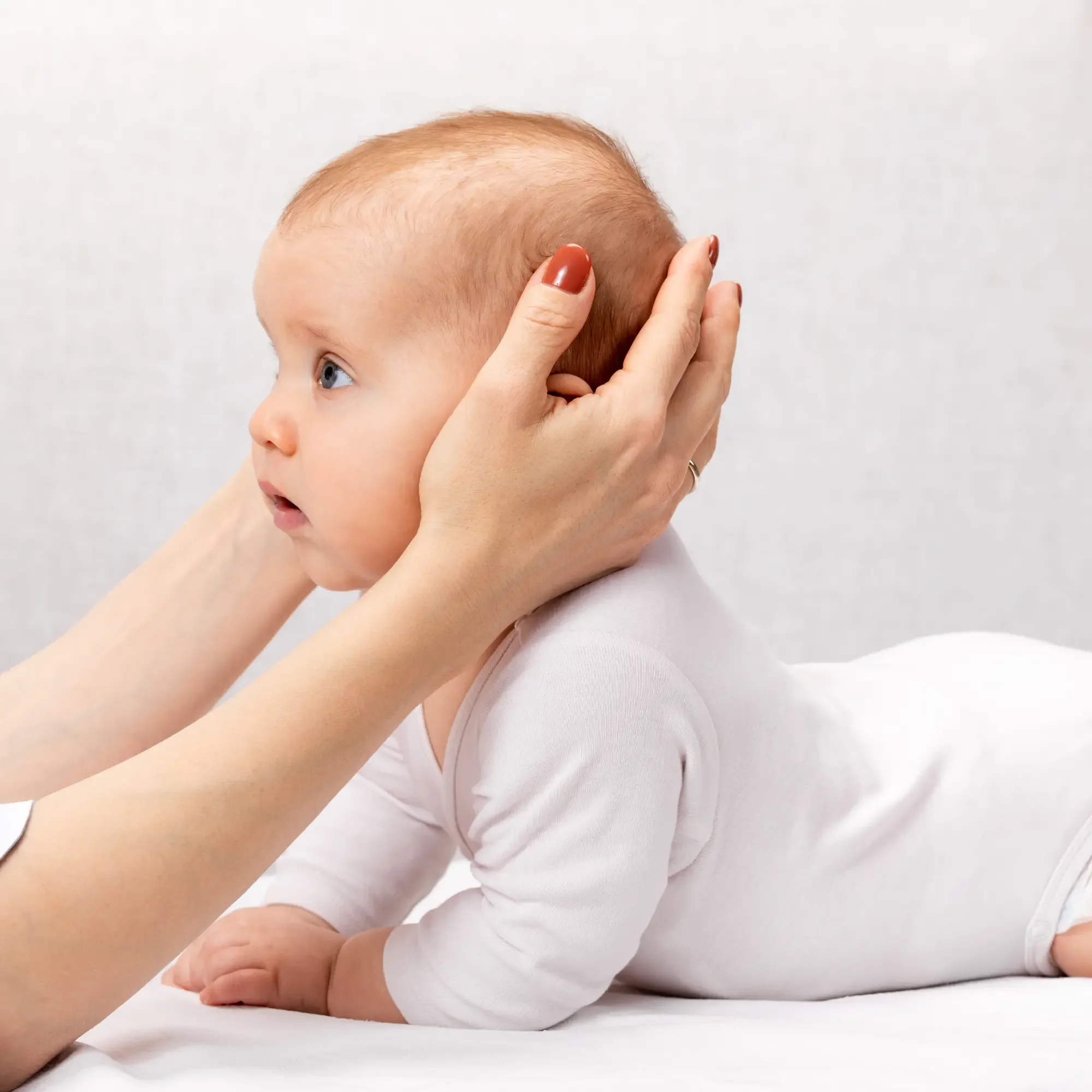
Measurement-based assessment for babies 1 week to 24 months, using callipers and the Plagiocephaly Severity Scale. For flat head concerns, neck tightness, and positional preferences

🚽 Paediatric Continence Assessment
Structured physiotherapy assessment for bladder, bowel, and toileting concerns.
Book a Gait Analysis
Available at our Heidelberg and Clayton South clinics.
We see families across Melbourne's eastern, northern, and south-eastern suburbs.