Head Shape & Torticollis Assessment
Heidelberg & Clayton South, Melbourne | For infants 1 week to 24 months
Noticing that your baby's head has a flat spot, or that they seem to prefer turning their head to one side? You are not alone — and you have come to the right place.
Head shape concerns and neck tightness in babies are common, and early assessment can make a real difference to how straightforward the management journey is. At First Step Therapy Services, our physiotherapists offer a detailed, measurement-based assessment for infants from one week old through to 24 months — in a calm, family-friendly environment where there is always time for your questions!

What Is a Head Shape & Torticollis Assessment?
A head shape and torticollis assessment is a physiotherapy-led assessment that looks at:
The shape and symmetry of your baby's head
The range of movement in your baby's neck
The presence and severity of any muscle tightness (particularly the sternocleidomastoid muscle)
How your baby holds and moves their head during everyday positions and activities
The relationship between head position, posture, and movement development
The assessment uses clinical measurement tools including callipers and the Plagiocephaly Severity Scale — giving you clear, objective data rather than a subjective impression.
Conditions We Assess
Our physiotherapists can support assessment, trial, prescription, and reporting for:
-
Flattening of one side or the back of the baby's head, often linked to positioning or limited neck movement.
-
Symmetrical flattening across the back of the head, resulting in a wider, shorter head shape.
-
Tightness or shortening of the neck muscle on one side, causing the baby's head to tilt or turn preferentially.
-
A postural preference for looking to one side without true muscle tightness — often responding well to early physiotherapy input.
-
Persistent head tilt or rotation without a clear structural cause — assessed to understand the underlying movement pattern.
-
For families who have already been told to "watch and wait" and want an objective baseline measurement to track over time.
Signs That May Prompt an Assessment
Consider booking an assessment if your baby:
Has a visible flat spot on the back or side of their head
Consistently turns their head to the same side
Seems uncomfortable or resistant when turned the other way
Has a head that appears wider, shorter, or asymmetrical
Was born via forceps or vacuum delivery, or was in a breech or unusual position
Spent time in the NICU after birth
Has been slow to develop head control or tummy time tolerance
Has been referred by your maternal and child health nurse, GP, or paediatrician
The earlier an assessment happens, the more options are available. If you are not sure, book an assessment — it is always better to know!
What to Expect
Your baby's comfort is our priority throughout the entire session. We pace the assessment to what your baby is happy with on the day.
What the session includes:
-
We take a detailed history — birth history, feeding, sleep positioning, tummy time, and any concerns you have noticed.
-
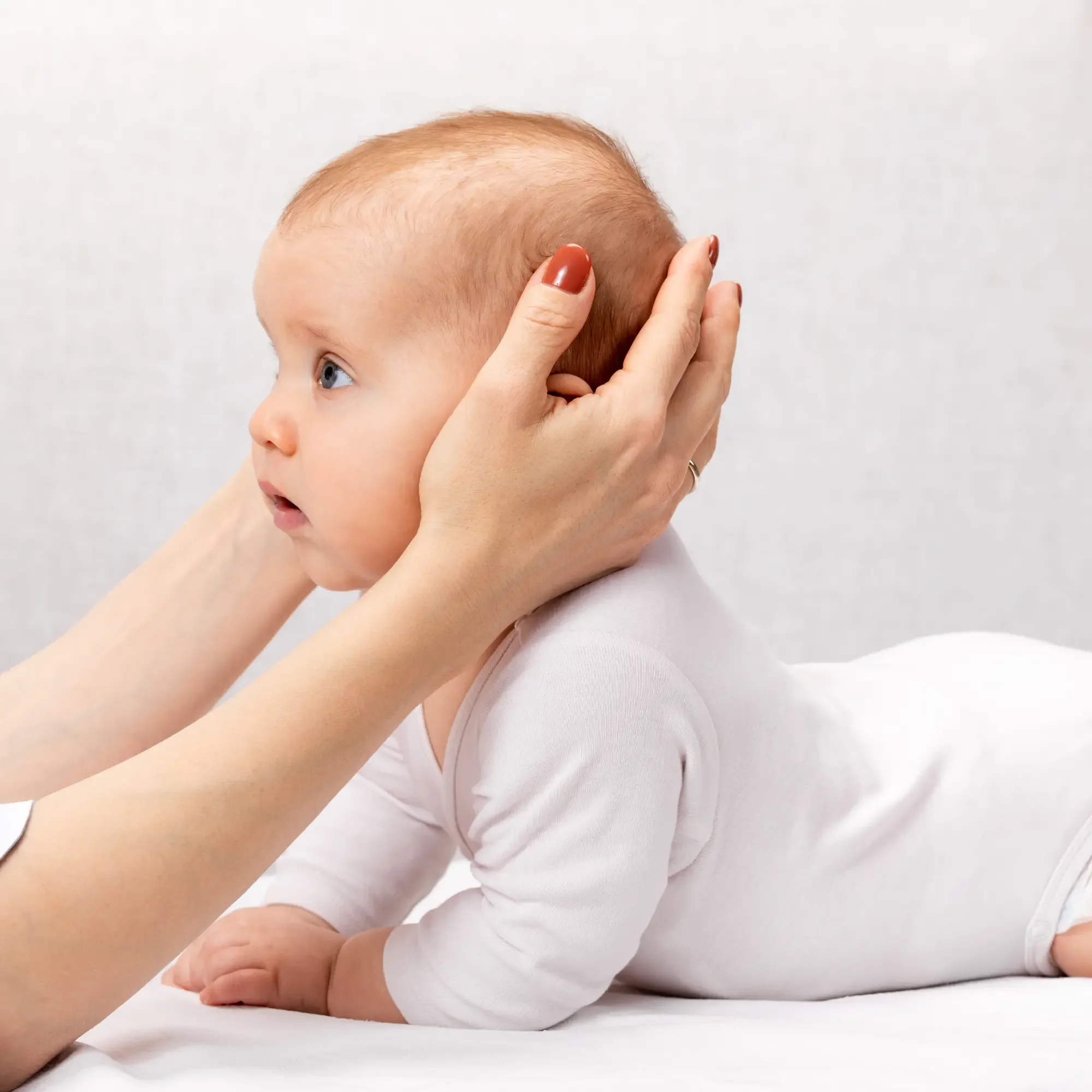
We observe how your baby holds and moves their head in different positions — on their back, on their tummy, and when supported upright.
-
Using callipers and the Plagiocephaly Severity Scale, we take objective measurements of head shape. These measurements give us a clear baseline and a way to track change at follow-up.
-
We gently assess the range of movement in your baby's neck, and check for any muscle tightness or asymmetry.
-
We explain what we found in plain language, and discuss what this means for your baby. Where physiotherapy input is recommended, we outline what this would involve. Where a referral is appropriate (e.g. to a helmet clinic or specialist), we will let you know.
This assessment is always bundled with a broader physiotherapy assessment — so we are looking at your baby's whole picture, not just their head shape in isolation.
After the Assessment
Depending on the findings, the pathway forward may include:
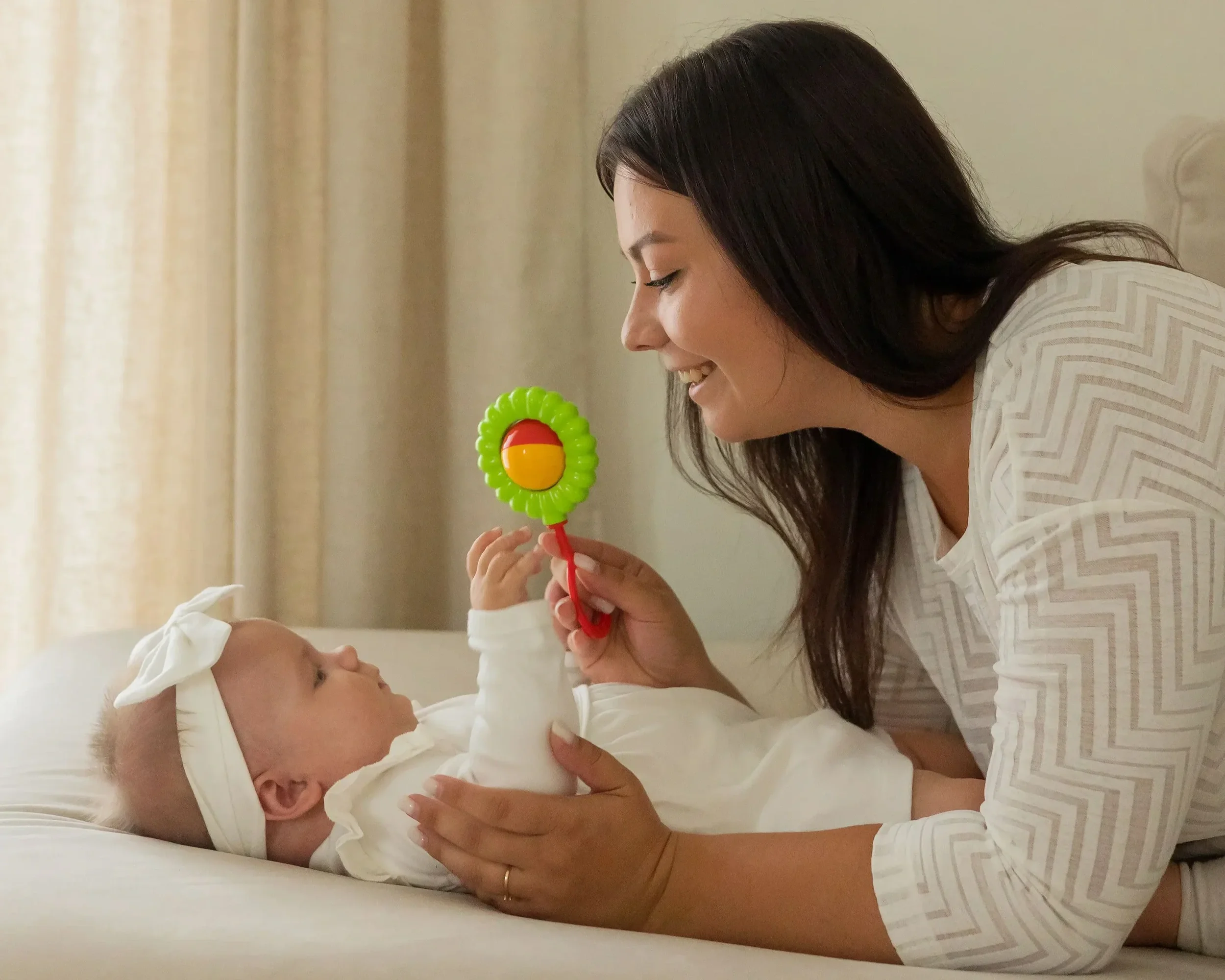
A physiotherapy management plan with positioning and tummy time strategies
Neck stretching and handling techniques to practise at home
Ongoing physiotherapy sessions if torticollis is present
A referral to a cranial helmet clinic if head shape warrants consideration of a moulding helmet
A referral to your GP or paediatrician if any other concerns are identified
A follow-up measurement appointment to track progress
You will leave with a clear understanding of your baby's results and what — if anything — needs to happen next.
When to Book
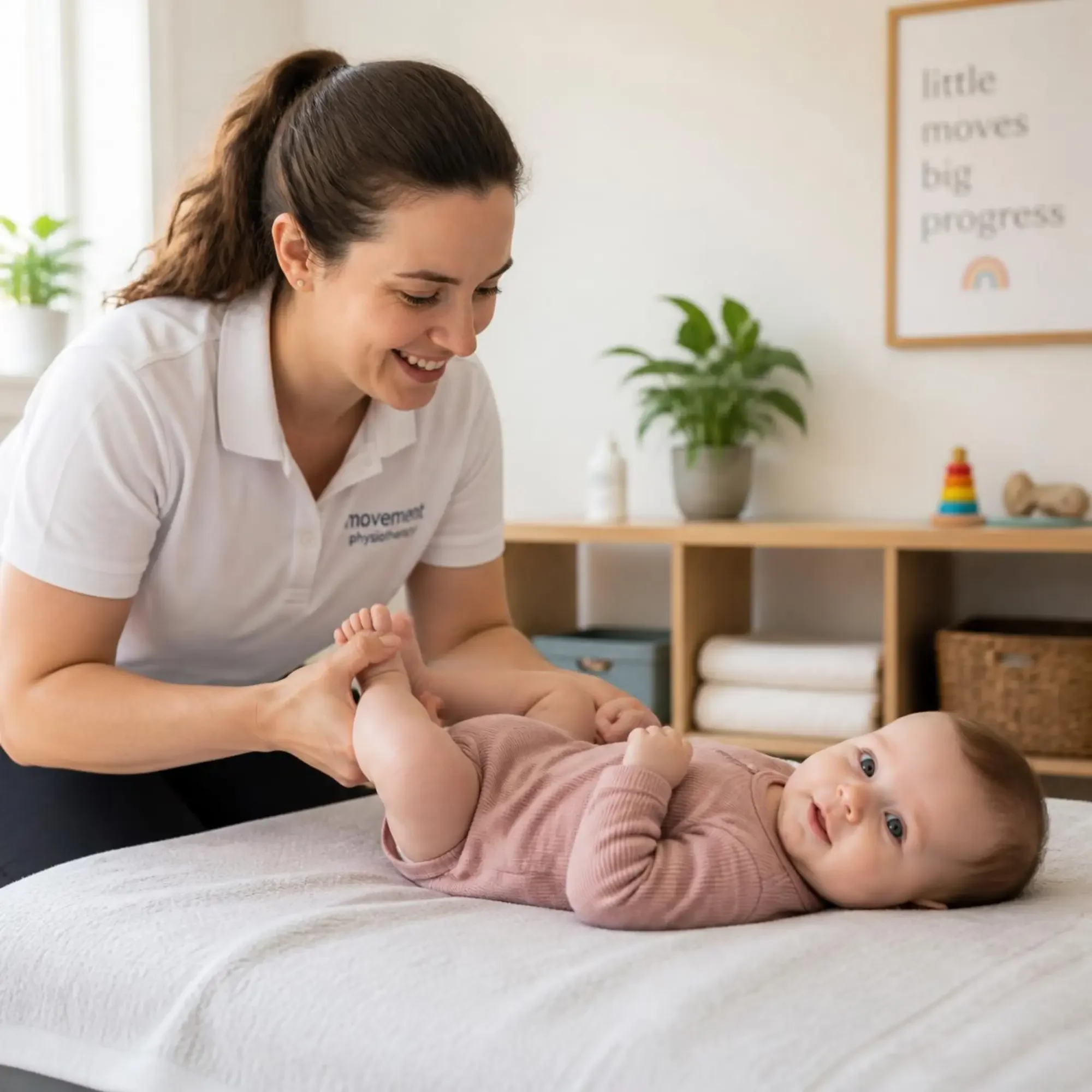
This assessment is available for babies from one week to 24 months of age.
If you have noticed a concern, the best time to book is now. Head shape changes are most responsive to repositioning and physiotherapy input in the first months of life — early assessment means more options.
If your baby is older and you are still concerned, it is still worth booking. We can assess, measure, and advise on what is still possible and what next steps make sense.
Also in Paediatric Clinical Assessments

🚶 Gait Analysis
AI-powered, markerless walking assessment using Orthelligent® VISION. Objective data on step length, symmetry, joint movement, and gait patterns — delivered in under five minutes.

🚽 Paediatric Continence Assessment
Structured physiotherapy assessment for bladder, bowel, and toileting concerns.
Book a Head Shape Assessment
Available at Heidelberg and Clayton South.
Home visits may be available on request — contact us to discuss.