

Beyond Recovery: How Physiotherapy Supports Your Child's Sports Performance
For a lot of families, physiotherapy is something you only think about after a sprain or a break. That makes sense, and it is also only half the story. These days, a big part of paediatric physiotherapy is about helping children move well before anything goes wrong. By looking closely at how your child runs, jumps, lands and changes direction, a physiotherapist can spot small habits that hold them back or set them up for injury. With the right exercises, physiotherapy for sports performance may help your child move more efficiently, feel stronger on the field, and lower their risk of getting hurt. If your child loves their sport, here is how this kind of support can help them get the most out of it.
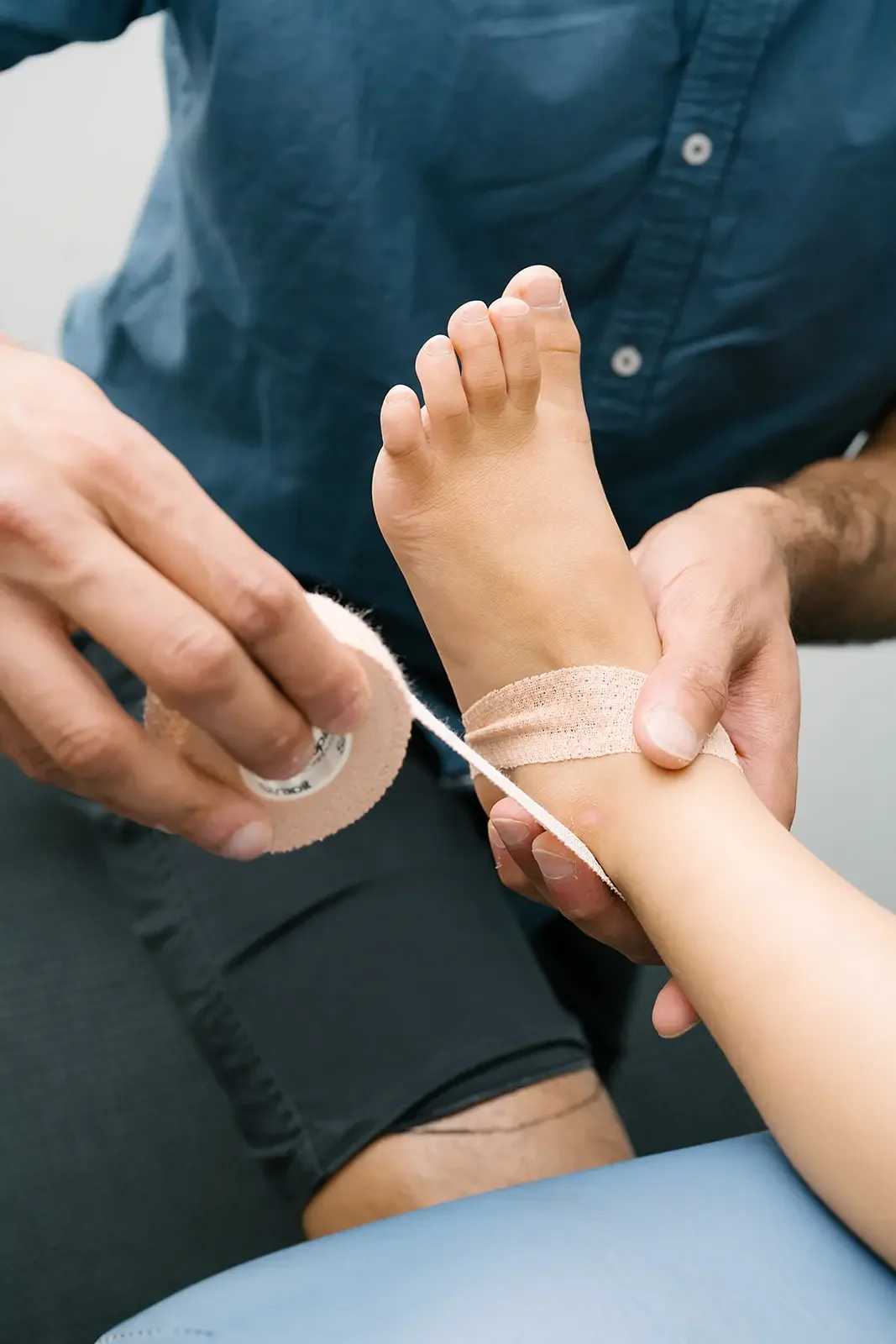
The difference between rehab and prehab
Most people picture physio as rehab, the thing you do to recover after a problem. Rehab matters, and there is another side that gets far less attention: prehab. Prehab means building strength, control and resilience ahead of time, so a child's body is ready for the demands of running, kicking, jumping and landing. Think of it a bit like servicing a car before a long trip rather than waiting for it to break down. For young athletes who train and compete regularly, a little preventative work can go a long way. It can help keep them doing the sport they love with fewer interruptions, and help them feel more capable while they are out there.
Spotting the energy leaks that slow kids down
When a child moves, energy should travel smoothly from the ground up through the whole body. An energy leak is what we call it when some of that effort gets lost along the way, because a part of the body is not quite doing its job. A common example is the hips. If the muscles around the hips are not strong enough, the knees can drift inwards when a child runs or lands. That wastes power that could have gone into speed, and over time it can add strain to the knees. A physiotherapist is trained to notice these patterns and give your child simple, targeted exercises to steady those areas. The result is often smoother, more efficient movement that feels easier for your child.
Better movement, safer play
Small changes in technique can make a real difference to how a child moves. The way they strike the ground when they run, or how they load up to throw or jump, all feed into both performance and injury risk. Rather than pulling a child's sport apart, a physiotherapist looks at how the body works together as one unit. When the joints line up well and the muscles fire in a sensible order, movement tends to become more comfortable and controlled. That same efficiency is one of the things that can help lower the chance of overuse niggles and awkward landings. It is worth being honest that no program removes injury risk entirely, because sport will always carry some. The aim is to tip the odds in your child's favour.
The confidence that comes with a capable body
Sport is physical, and it is also mental. A child who trusts their body tends to play with more freedom, take chances, and enjoy themselves more. When a child has done the work and feels strong and balanced, that quiet confidence often shows up in how they move and compete. Physiotherapy can help lay that physical groundwork. This is not about pushing children to be the best, or turning play into pressure. It is about helping young athletes feel ready and capable, so their sport stays fun. For many kids, feeling confident in their body is a big part of what keeps them coming back season after season.
Is my child too young for this?
Parents sometimes worry that strength work is not suitable for children, but age-appropriate movement training is safe and helpful when it is done well. For younger children, it looks like play: hopping games, balancing, animal walks and obstacle courses that build coordination without any sense of a workout. As children grow and their sport gets more demanding, the exercises can gradually become more specific. The key is matching what we ask to where your child is developmentally, and keeping it enjoyable. Done this way, building strong, capable movement habits early can set a child up to enjoy being active for years to come.
How we work with young athletes in Melbourne
At First Step Therapy Services, we enjoy helping active kids move well and stay in the game. A performance-focused assessment usually starts with watching your child move through the actions their sport asks of them, then working out where a bit of strength or control would help most. From there we build a simple plan your child can fit around training, often with just a few key exercises rather than a long list. Families across Melbourne, including those near our Clayton South and Heidelberg clinics, are welcome to get in touch whether their child is recovering from a setback or simply wants to move better. You can learn more about our group sessions, or get in touch with our team to book an assessment.
Ready to take the next step for your child?
in Clayton South or Heidelberg today!
paediatric physiotherapy Melbourne | NDIS physiotherapy children | physiotherapy for sports performance | physio for young athletes | injury prevention kids sport | movement assessment children | prehab for kids | childrens physio Clayton South | paediatric physio Heidelberg | First Step Therapy Services | childrens therapy Melbourne | junior sport physio
#PaediatricPhysiotherapy #YoungAthletes #SportsPerformance #InjuryPrevention #NDIS #NDISkids #EarlyIntervention #JuniorSport #MelbourneParents #childdevelopment #physioforkids #paediatricphysio #paediatricphysiotherapy #kidsphysio #childrensphysio #melbournephysio #melbournekids #claytonsouth #heidelberg #firststeptherapyservices #paediatrictherapy #alliedhealth #NDIS #NDISkids #NDISaustralia #NDISprovider #disabilitysupport