

Early Physiotherapy for Cerebral Palsy: A Parent's Guide for World CP Day
When your baby is not quite meeting their movement milestones, it is hard not to worry. Maybe one hand seems stronger than the other, tummy time feels like a battle, or sitting is taking longer than you expected. If cerebral palsy has been mentioned, or you are simply keeping a close eye on things, one question tends to come up again and again: does starting therapy early actually make a difference? World Cerebral Palsy Day, held on 6 October, is a good moment to talk about it. The honest answer, backed by a growing body of research, is that early physiotherapy for cerebral palsy can play a real part in how a child moves and takes part in everyday life.
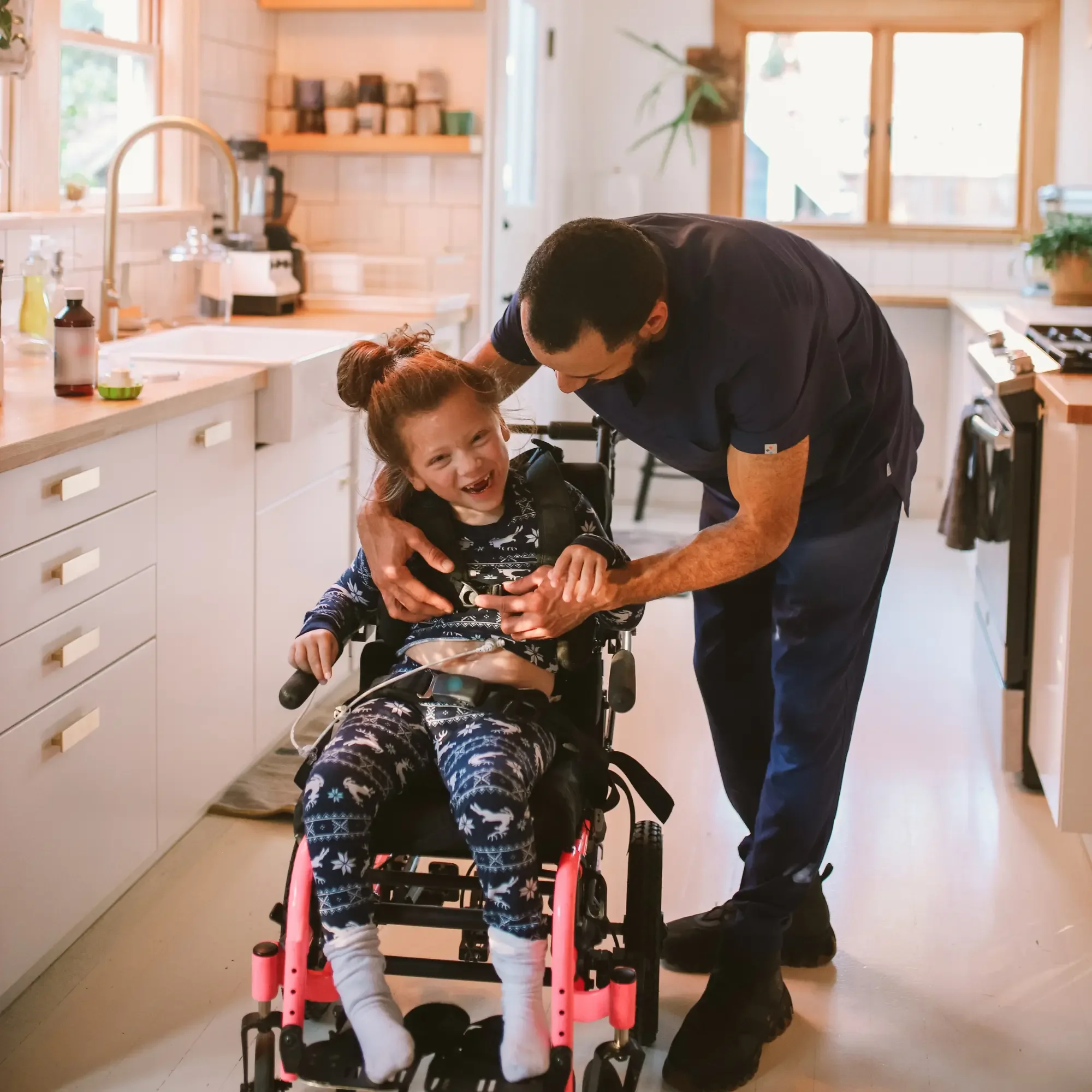
What is cerebral palsy?
Cerebral palsy is a group of conditions that affect movement and posture. It happens when the developing brain is injured or does not form as expected, usually before birth, around the time of birth, or in the early weeks of life. The way it shows up is different for every child. Some children are affected mainly on one side of the body, others have all four limbs involved, and the impact can range from mild to more significant.
In Australia, cerebral palsy is the most common physical disability of childhood. According to the Australian Cerebral Palsy Register, around 1 in 700 children is born with the condition. It is not a disease, and it does not get worse over time, though the way it affects your child can change as they grow. Physiotherapy is one of the main types of support that can help with movement and comfort.
Why the early years matter so much
Babies are born with brains that are still very much under construction. In the first couple of years, the brain forms new connections at a remarkable rate and is especially responsive to practice and experience. This ability to adapt and rewire is often called neuroplasticity, and it is a big reason the early years count for so much.
When a child takes part in the right movement activities early, therapy can work with this natural window rather than against it. Research suggests that starting support sooner may help a child build motor skills and make the most of their potential. Early physiotherapy for cerebral palsy is not about pushing a baby too hard. It is about giving the brain and body helpful, repeated chances to move at a stage when they are primed to learn.
Can cerebral palsy be diagnosed early?
For a long time, many families were told to wait and see, and a formal diagnosis often did not come until around a child's second birthday. That has changed. Specialists can now identify cerebral palsy, or a high likelihood of it, much earlier, and in some cases before six months of age.
They do this using careful assessments alongside your baby's history and, where needed, a brain scan. Two of the tools used are the General Movements Assessment, which looks closely at how a baby moves on their own, and the Hammersmith Infant Neurological Examination, a short check of things like posture, muscle tone and reflexes. Early signs a parent might notice include stiffness or floppiness, a strong preference for one hand before 12 months, or trouble with head control, rolling or sitting. If something does not feel right, it is worth raising with your GP or child health nurse so your child can be assessed.
How early physiotherapy for cerebral palsy can help your child
Early physiotherapy is far more play than treatment. A paediatric physiotherapist watches how your child moves, works out what is getting in the way, and sets goals that matter to your family, whether that is sitting up to join in at mealtimes, reaching for a favourite toy, or getting ready to stand.
Sessions often use games, positioning and everyday routines so your child practises new movements in ways that feel fun rather than clinical. Your physio will also show you what to try at home, because the small moments between sessions really add up. Depending on your child's needs, support might include gentle stretching to keep joints comfortable, strength and balance work, advice on helpful equipment, or ideas for tasks like dressing and play. The aim is always to help your child move more easily and take part in the things they enjoy.
Starting early physiotherapy for cerebral palsy in Melbourne
If you have concerns, you do not need to wait for a formal diagnosis to get started. Early intervention support is available for babies and young children who are showing signs of a developmental delay or disability, and getting in early means your child can start making the most of that early window sooner.
For families in Melbourne, our team at First Step Therapy Services offers paediatric physiotherapy and early intervention at our Clayton South and Heidelberg clinics. If your child is an NDIS participant, physiotherapy is often funded under early intervention or capacity building, and we are happy to help you understand how your plan can be used. You can read more on our early intervention page and our NDIS page, or have a chat with our team about what might suit your child!
Ready to take the next step for your child?
in Clayton South or Heidelberg today!
paediatric physiotherapy Melbourne | NDIS physiotherapy children | early physiotherapy for cerebral palsy | cerebral palsy early intervention | signs of cerebral palsy in babies | early diagnosis of cerebral palsy | children's physiotherapy Melbourne | First Step Therapy Services | Clayton South physio | Heidelberg physio | World Cerebral Palsy Day | NDIS early intervention cerebral palsy
#cerebralpalsy #cerebralpalsyawareness #worldcpday #worldcerebralpalsyday #cpkids #earlyintervention #earlyinterventiontherapy #neuroplasticity #developmentaldelay #motormilestones #childdevelopment #physioforkids #paediatricphysio #paediatricphysiotherapy #kidsphysio #childrensphysio #melbournephysio #melbournekids #claytonsouth #heidelberg #firststeptherapyservices #paediatrictherapy #alliedhealth #NDIS #NDISkids #NDISaustralia #NDISprovider #disabilitysupport