

More Than Movement: How Physiotherapy Supports Children on the Autism Spectrum
When families think about support for their child on the autism spectrum, physiotherapy is not always the first thing that comes to mind. But for many autistic children, the physical side of development is just as important as speech, behaviour, or social skills and physiotherapy can make a meaningful difference.
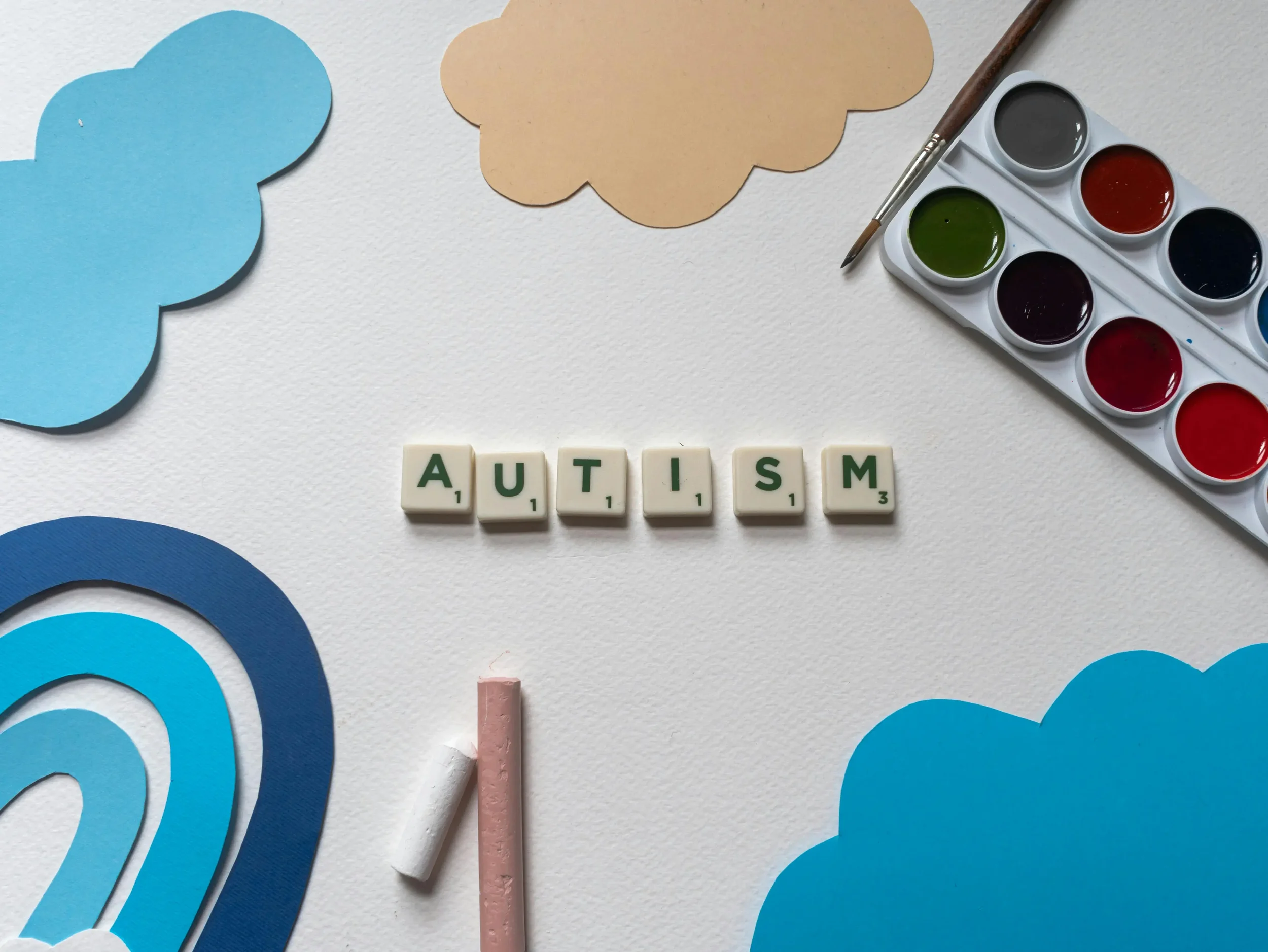
The Physical Side of Autism
Autism is a neurodevelopmental condition that affects how a person communicates, processes sensory information, and experiences the world. Alongside these differences, many autistic children also experience physical challenges that can affect their daily life, including:
Low muscle tone (hypotonia), affecting posture, endurance, and coordination
Delayed motor milestones — later than expected crawling, walking, or jumping
Difficulties with motor planning — knowing how to sequence and organise movement
Balance and coordination challenges that affect play, sport, and self-care
Sensory sensitivities that make certain movements, surfaces, or environments difficult to tolerate
These physical differences are not always visible, but they can significantly affect a child's ability to participate in school, play, and everyday activities.
How Can Physiotherapy Help?
Paediatric physiotherapy for autistic children is child-led, strengths-based, and always built around what matters most to your family. At FSTS, our physiotherapists work on:
Building core strength, stability, and gross motor skills
Improving coordination, balance, and body awareness
Supporting motor planning through repetitive, structured movement practice
Gradual sensory desensitisation to support participation in physical activities
Building confidence in sport, play, and physical education at school
Sessions are designed to feel safe and predictable — because we know that routine and trust matter enormously for autistic children. We use play-based, visual, and structured approaches so every child knows what to expect and can engage at their own pace.
Working With Your Child's Whole Team
Physiotherapy works best as part of a coordinated support network. We collaborate with occupational therapists, speech pathologists, educators, and your child's paediatrician to ensure goals are aligned and your child receives consistent, connected care. NDIS funding can support access to physiotherapy for eligible autistic children — our team can help you understand your options.
Every child deserves to move with confidence and joy.
If your child is on the autism spectrum and you have noticed challenges with movement, coordination, or physical activity, we would love to help. Reach out to the team at First Step Therapy Services or book at fsts.com.au 💙
Keywords: epilepsy in children, epilepsy and physical development, paediatric physiotherapy, physiotherapy for epilepsy, seizure recovery therapy, child motor development, physiotherapy for neurological conditions, epilepsy rehabilitation, balance and coordination therapy for children, pediatric movement therapy, muscle weakness after seizures, Todd’s paralysis recovery, physiotherapy for seizure disorders, epilepsy support for children, NDIS physiotherapy services, child neurological physiotherapy, return to activity after seizures, therapy for motor delays in children
#Autism #AutismSupport #AutismAwareness #AutismSpectrum #Neurodiversity #NeurodiverseKids #InclusiveCare #ChildDevelopment #PediatricCare #EarlyIntervention #ParentingSupport #SpecialNeedsParenting #AutismParenting #NDIS #NDISSupport #FamilyCenteredCare #SupportForFamilies #RaisingAutisticChildren