

Gross vs Fine Motor Skills: What's the Difference and How to Help Your Child
From the moment your baby first grips your finger to the day they pedal a bike down the street, your child is building two different sets of physical skills at once. We call them gross motor skills and fine motor skills, and together they shape almost everything your child does, from scrambling up the play equipment to doing up their own buttons. Most of the time these skills develop quietly in the background, with no help needed. But if your child seems to be falling behind their friends, or finds certain everyday tasks frustrating, understanding the difference between gross and fine motor skills can help you work out where they might need a hand.
What are gross motor skills?
Gross motor skills are the big movements that use the large muscles of the arms, legs and trunk. They are what your child relies on to sit, crawl, walk, run, jump and climb. These skills also support things that are easy to overlook, like holding the body upright in a chair, or keeping balance while standing on one foot to put on a shoe. Strong gross motor skills give children the stability and stamina they need to join in active play and sport. You will see them at work when your child kicks a ball, swings across the monkey bars, or simply keeps up with friends in the playground. When these skills are slow to develop, children can tire easily, avoid physical play, or seem clumsy compared with others their age.
What are fine motor skills?
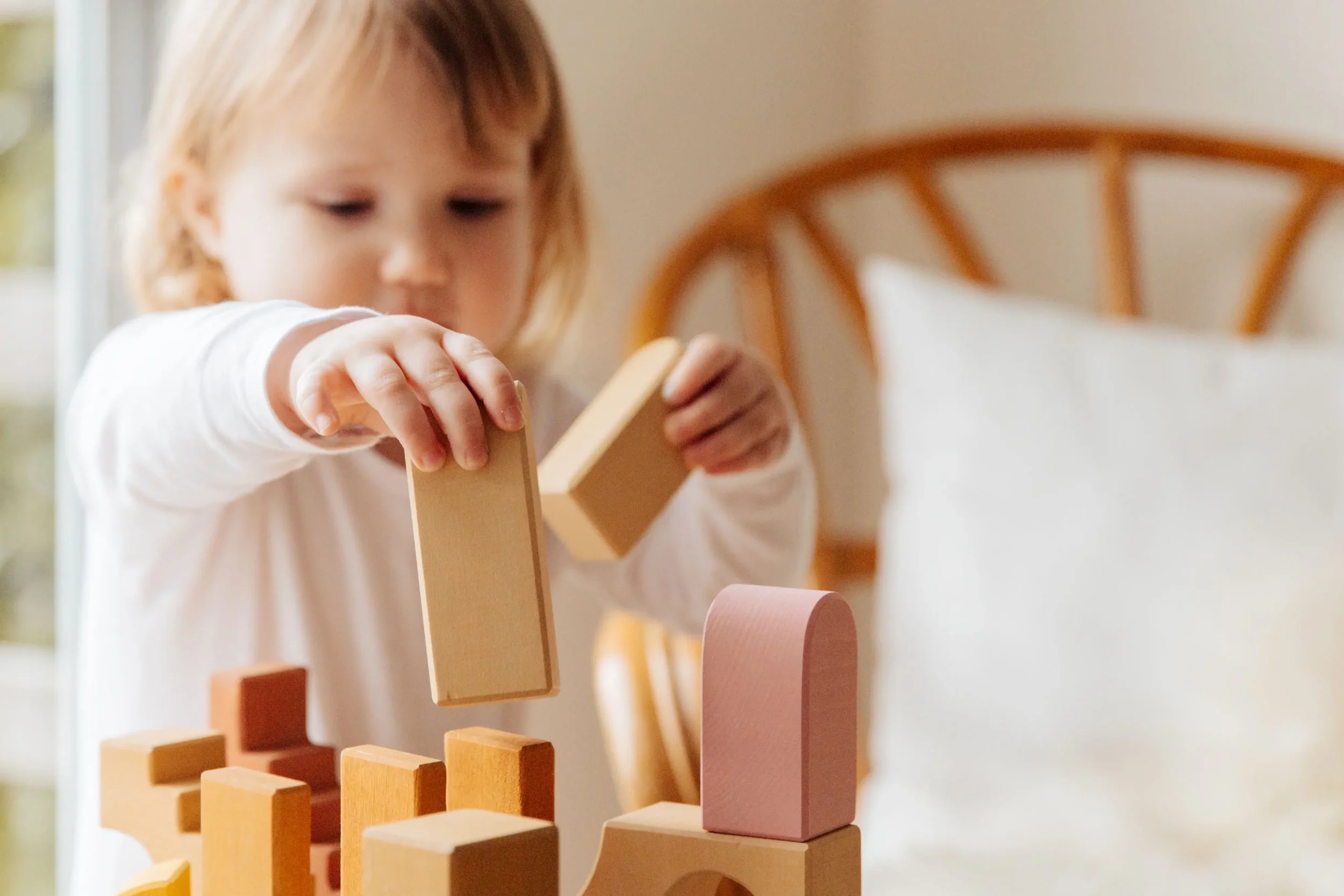
Fine motor skills involve the small, precise movements of the hands and fingers, usually working together with the eyes. Your child uses them to pick up small objects, hold a pencil, use scissors, manage zips and buttons, and feed themselves. These skills matter enormously at school, where so much of the day involves writing, drawing and handling small materials. Good fine motor control also feeds into independence at home, from brushing teeth to opening a lunchbox. Fine motor development takes time and a lot of practice, and children progress at their own pace. If your child avoids drawing, holds a pencil in a way that looks awkward or sore, or finds tasks like using cutlery harder than other children the same age, their fine motor skills may benefit from some support. These skills also build on each other in stages: a child usually learns to grasp with the whole hand before they can pinch with thumb and finger, and to scribble before they can copy shapes or letters.
Why gross and fine motor skills work together
It is easy to think of these two skill sets as separate, but they rely on each other more than you might expect. Before a child can control a pencil, they need enough core and shoulder strength to sit steadily and keep the arm stable. In other words, strong gross motor foundations make fine motor tasks easier. A child who is using all their energy just to stay upright in a chair has very little left over for the careful work of forming letters. This is one reason a physiotherapist looks at the whole body when a parent raises concerns about handwriting or hand skills. Supporting balance, posture and trunk strength can have a flow-on effect to the smaller, more detailed movements your child does every day. Posture is the quiet foundation here: when a child can hold themselves steady and comfortable, their hands are free to focus on the fiddly, detailed jobs.
How physiotherapy supports motor development
Physiotherapy can help children who are slower to reach their motor milestones, or who simply find movement difficult. A paediatric physiotherapist starts by getting to know your child and watching how they move and play, then builds a program around their needs and interests. For gross motor skills, that might involve activities that build strength, balance and coordination, such as obstacle courses, ball games and balance work that feels like play. For fine motor skills, therapy often focuses on hand strength, finger control and hand-eye coordination, using puzzles, threading, drawing and similar tasks. Many of these strategies can be woven into everyday routines at home, which is where children get the most practice. For families using the NDIS, this kind of support may form part of an early intervention plan. Just as importantly, the activities are pitched to feel achievable, so your child finishes a session feeling capable rather than tested.
When should you talk to a professional?
Every child develops at their own rate, and a slower start in one area does not always mean there is a problem. Even so, it is worth seeking advice if your child is not meeting their motor milestones, seems to be going backwards, or finds everyday movements painful or exhausting. Trust your instincts as a parent. If something feels off, a short conversation with your GP or a paediatric physiotherapist can give you clarity and, where it helps, an early plan. Acting early often makes support simpler and more effective, and it can ease a lot of worry in the meantime. You can also explore our group sessions, where children build motor skills alongside others in a supportive, social setting.
Ready to take the next step for your child?
in Clayton South or Heidelberg today!
paediatric physiotherapy Melbourne | NDIS physiotherapy children | gross and fine motor skills | gross motor skills children | fine motor skills development | motor milestones kids | childrens physio Clayton South | paediatric physio Heidelberg | handwriting support children | First Step Therapy Services | childrens therapy Melbourne | motor skill activities for kids
#paediatricphysio #kidsphysio #motorskills #grossmotorskills #finemotorskills #motordevelopment #developmentalmilestones #childdevelopment #handwritinghelp #earlyintervention #paediatrictherapy #physiotherapy #NDIS #NDISkids #NDISaustralia #melbournephysio #melbournekids #claytonsouth #heidelberg #FirstStepTherapyServices