

Each year on 20 November, communities around the world pause to mark World Children's Day. Set up by the United Nations, it is a day to celebrate children, and to remember that every child, wherever they live and whatever their abilities, deserves to feel safe, supported and able to grow. For families of children with additional needs, days like this can feel especially meaningful. They are a reminder that inclusion is a right that belongs to every child, not a nice extra reserved for some. World Children's Day is also a chance to think about the small, everyday actions that add up to a brighter future for the next generation. Here is what the day is about, and how we can all play a part.
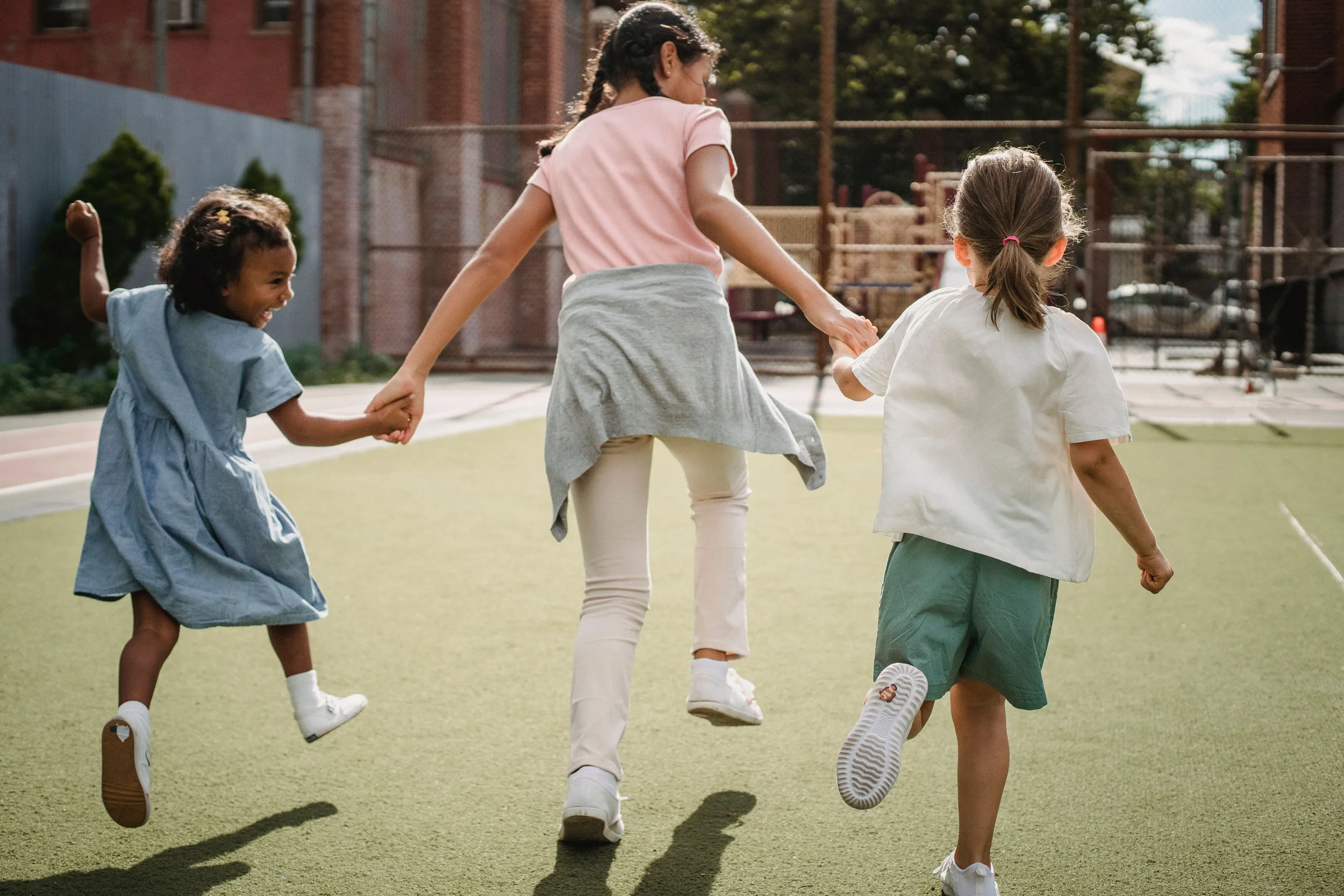
What World Children's Day is about
World Children's Day grew out of a long-standing commitment to children's rights. At its heart is a simple idea: that all children deserve access to things like education, health care, safety and the chance to be heard. The day encourages governments, communities and families to look at how well children are doing, and where more support is needed. It is bigger than policy, though. It is also about the ordinary ways we show children they matter, from listening properly to including everyone in play. For children living with disability or developmental differences, this focus on equal opportunity feels particularly close to home, because inclusion still cannot be taken for granted. The day also gives families, schools and services a shared moment to celebrate how far children have come, and to renew the promise to keep doing better by them.
Why early support can make a difference
One of the most useful things we can do for children is to notice and support developmental needs early. When a child gets help with movement, communication or learning at a younger age, that support can work alongside the rapid development already happening in their brain and body. Early intervention does not mean labelling children or rushing them. It simply means offering the right support at a time when it can help most, in a way that feels like play. Every child develops at their own pace, so this is really about walking alongside families, answering questions, and stepping in where it helps. For many families, getting in early also brings a good deal of reassurance, which counts for a lot on its own. Support at any age is worthwhile, and there is never a wrong time to ask for help. Getting in early simply tends to make the road a little smoother.
What inclusion really looks like for children
Inclusion is one of those words that can sound abstract, but for children it is very practical. It looks like a playground every child can actually use, a classroom set up so different learners can take part, and activities where ability is no barrier to joining in. It looks like teachers and coaches who have the tools and training to welcome every child. And it looks like the rest of us making room, whether that is choosing an inclusive party venue or teaching our own kids to include the child who plays a little differently. Small choices, repeated often, are what build a community where every child genuinely belongs, rather than one where some children are simply tolerated at the edges. When inclusion is done well, every child gets to be part of the story, rather than a footnote to it.
Simple ways families and communities can help
You do not need to run a campaign to make a difference on World Children's Day. Some of the most powerful support is quiet and close to home. A few ideas worth trying:
Listen to children properly, and let them know their thoughts and feelings count
Learn a little about a condition or disability, so understanding replaces assumption
Choose inclusive activities and venues where every child can join in
Support the parents and carers around you, who often carry a heavy and invisible load
Speak up when a child is being left out, at school, at sport or in your own circle
None of these take much, and together they help shape a world where children feel valued and seen.
Supporting Melbourne children and families
At First Step Therapy Services, the ideas behind World Children's Day are part of our everyday work. We support children across Melbourne with movement, development and participation, always working closely with the families who know them best. With more than fifteen years working with local families, we have seen how much difference the right support, offered kindly and early, can make to a child's confidence and independence. We also know that supporting a child means supporting the whole family, so we try to keep that experience calm, clear and free of jargon. If you have any questions about your child's development, or you would simply like a friendly chat, our team near Clayton South and Heidelberg is here to help. You can read more about our early intervention services, or get in touch whenever you are ready.
Ready to take the next step for your child?
in Clayton South or Heidelberg today!
paediatric physiotherapy Melbourne | NDIS physiotherapy children | World Children's Day | children's rights | early intervention Melbourne | inclusive education | supporting child development | childrens therapy Clayton South | paediatric physio Heidelberg | First Step Therapy Services | disability inclusion children | childrens therapy Melbourne
#WorldChildrensDay #EveryChildMatters #Inclusion #EarlyIntervention #ChildrensRights #NDIS #NDISkids #ChildDevelopment #MelbourneParents #FirstStepTherapyServices #childdevelopment #physioforkids #paediatricphysio #paediatricphysiotherapy #kidsphysio #childrensphysio #melbournephysio #melbournekids #claytonsouth #heidelberg #firststeptherapyservices #paediatrictherapy #alliedhealth #NDIS #NDISkids #NDISaustralia #NDISprovider #disabilitysupport