

Growing Pains or an Injury? How to Tell the Difference
Has your child ever woken in the evening or the middle of the night crying about sore legs, only to bounce out of bed the next morning as if nothing happened? For a lot of families, this is the classic pattern of what we call growing pains. Despite the name, these aches are not caused by bones stretching. They are usually linked to tired muscles after a big day of running around and backyard play. Growing pains in children are common and, for the most part, completely harmless. Every now and then, though, leg pain is a sign of something that needs a closer look. Here is how to tell the everyday aches apart from the signs worth checking.
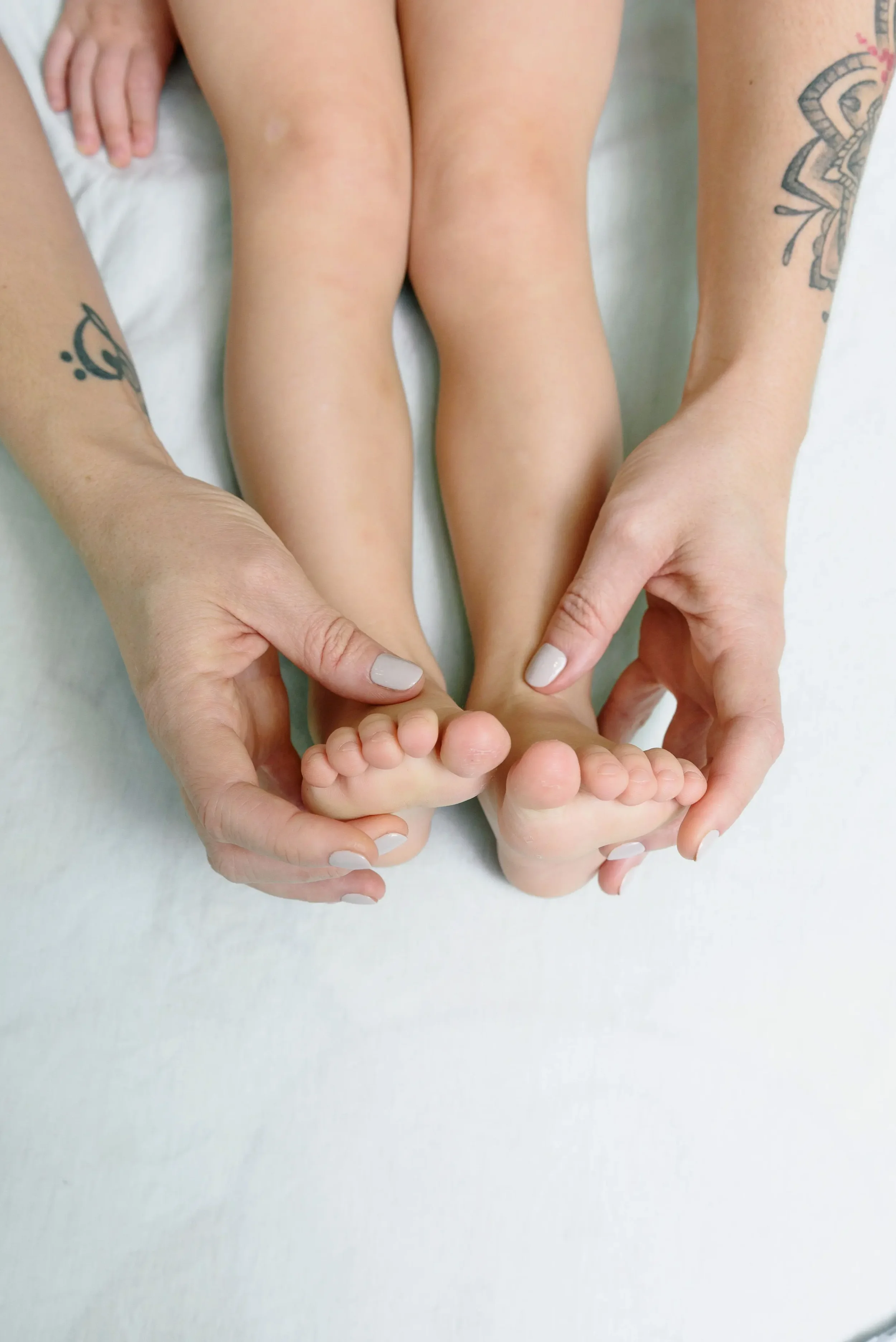
What actually causes growing pains?
The honest answer is that nobody knows for certain, and that is okay. The leading idea is that the aches come from the ordinary muscle fatigue of an active childhood, rather than from bones growing, despite the name. Children pack a remarkable amount of running, climbing and jumping into a day, and their muscles can grumble afterwards in much the same way an adult's might after an unfamiliar workout. Growing pains are most common in the preschool and primary school years, and many children grow out of them with no lasting effect at all. Knowing this can take some of the worry out of those late-night wake-ups, while still keeping an eye out for the red flags further down.
What growing pains usually feel like
Growing pains tend to follow a fairly recognisable pattern. They often turn up in the late evening, or wake a child during the night, then disappear by morning. The aches usually affect both legs rather than one, and tend to settle in the muscles of the calves, shins or behind the knees, rather than in a joint. A child with growing pains does not limp and can move around normally once the episode passes. Gentle rubbing, a warm pack or a cuddle often helps them settle back to sleep. While the discomfort is real and can be upsetting in the moment, it does not hold your child back from their usual play and sport the next day. If that sounds like what is happening in your house, it is more reassuring than worrying.
Red flags that suggest an injury or other cause
Some patterns are worth paying closer attention to, because they point away from simple growing pains. It is a good idea to have your child checked by a GP or physiotherapist if you notice any of the following:
Pain in one specific spot, or only on one side of the body
Swelling, redness or warmth around a joint or bone
Limping, or refusing to put weight on a leg
Pain that carries on through the day and limits normal activities
Pain that wakes your child in the same spot night after night
Leg pain together with a fever, which should be checked by a doctor promptly
None of these signs mean something serious is definitely wrong, but they are good reasons to get a professional opinion rather than wait and see.
When the pain follows a fall or a pop
Children are active, and knocks and tumbles are part of growing up. Most bumps settle on their own with a bit of rest. It is worth a closer look, though, if pain starts straight after a specific fall, twist or a 'pop' during sport, especially if your child cannot use the limb normally afterwards. Around the knees, heels and hips, fast-growing bones have areas called growth plates that can become irritated with repeated load, which is common in busy junior athletes. A physiotherapist can help work out whether you are dealing with a soft tissue strain, a grumbly growth plate, or simple muscle fatigue, and what to do about it. The sooner this is sorted, the sooner your child can get back to the activities they love.
How physiotherapy can help
When the pattern is not clear, a paediatric physiotherapist can take the guesswork out of it. We start by listening to your story of when and where the pain shows up, then check how your child moves, where they are tender, and how they are growing and loading their joints. From there, support is matched to what we find. For ordinary growing pains, that might mean simple comfort measures, gentle stretching, and advice on balancing busy sport weeks with rest. For a strain or an irritated growth plate, it might mean a short period of load management and a gradual return to sport. The goal is always to keep your child moving and involved while their body settles, rather than benching them for longer than they need.
When to see a paediatric physio
Every child is different, and most growing pains need nothing more than reassurance and a cuddle. Trust your instincts, though. If the pain is one-sided, comes with swelling or a limp, lingers through the day, or simply has you worried, it is worth getting it checked. Families across Melbourne, including those near our Clayton South and Heidelberg clinics, often find that a short assessment brings real peace of mind, whether the answer is that everything is completely normal or that a simple plan would help.
You can learn more about how we support families on our early intervention page, or get in touch with our team to book an assessment that suits your child!
Ready to take the next step for your child?
in Clayton South or Heidelberg today!
paediatric physiotherapy Melbourne | NDIS physiotherapy children | growing pains in children | leg pain in children at night | child sports injury signs | when to worry about growing pains | growth plate irritation kids | childrens physio Clayton South | paediatric physio Heidelberg | First Step Therapy Services | childrens therapy Melbourne | junior sport injuries
#growingpains #legpainkids #kidshealth #juniorsport #sportsinjury #activekids #childdevelopment #paediatricphysio #kidsphysio #physiotherapy #paediatrictherapy #earlyintervention #NDIS #NDISkids #NDISaustralia #melbournephysio #melbournekids #claytonsouth #heidelberg #FirstStepTherapyServices